Several narrowed arteries do not automatically make bypass surgery the right answer. The decision depends on where the disease sits, how much blood flow it limits, whether the arteries can be grafted effectively, and how surgery compares with angioplasty and medical treatment for your overall health. By the end, you will know which findings shape that decision, how grafts and surgical techniques are selected, and what the CABG pathway involves.
Key takeaways
- Blockage location and threatened heart muscle matter more than lesion count.
- A heart team compares CABG, angioplasty and medicines using anatomy and surgical risk.
- Complete revascularization means restoring blood flow to every treatable area.
- Graft protection depends on medicines, cardiac rehabilitation and long-term risk control.
Why the Number of Blockages Is Only the Starting Point
A patient with two moderate narrowings can face less danger than another with one severe blockage in the left main coronary artery. Doctors judge CoronaryArteryDisease by asking how much heart muscle is threatened, how difficult the anatomy is to treat, and whether blood flow can be restored completely—not by counting lesions alone.
- Location: Left-main disease or a blockage in the proximal left anterior descending artery carries greater weight because it can affect a large portion of the heart. Three-vessel disease also becomes more serious when several major territories are involved.
- Severity and pattern: A tight, heavily calcified narrowing in a small vessel differs from a long, diffuse blockage in a large vessel. Diffuse disease can make stents ineffective and graft planning more demanding.
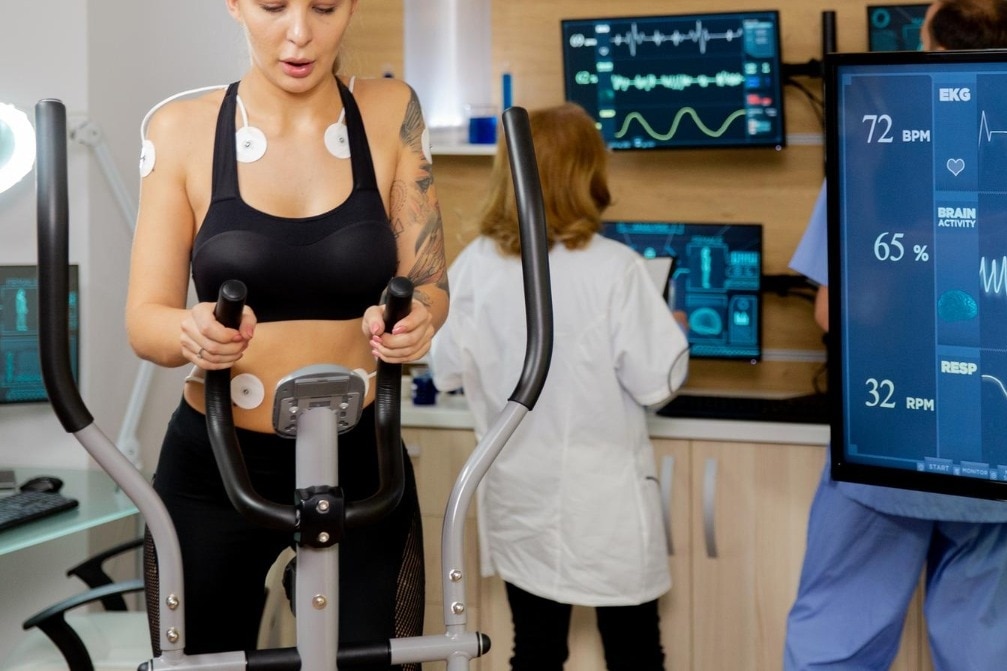
- Functional impact: Symptoms, stress-test ischemia and reduced blood flow show whether a narrowing is actually limiting the heart’s oxygen supply. Fractional flow reserve can measure the effect of an intermediate lesion; intravascular ultrasound can clarify calcium, vessel size and left-main anatomy.
- Patient risk: Diabetes, kidney disease, reduced left-ventricular ejection fraction, frailty and surgical risk change the balance between CABG, PCI and medication.
Echocardiography measures pumping function, while coronary angiography maps the arteries and potential graft targets. A Heart Team then weighs survival benefit, stroke and kidney risks, symptom relief and the possibility of complete revascularization. A bypass improves flow through selected vessels, but it does not remove plaque from the rest of the arteries.
How the Heart Team Compares CABG, Angioplasty and Medical Treatment
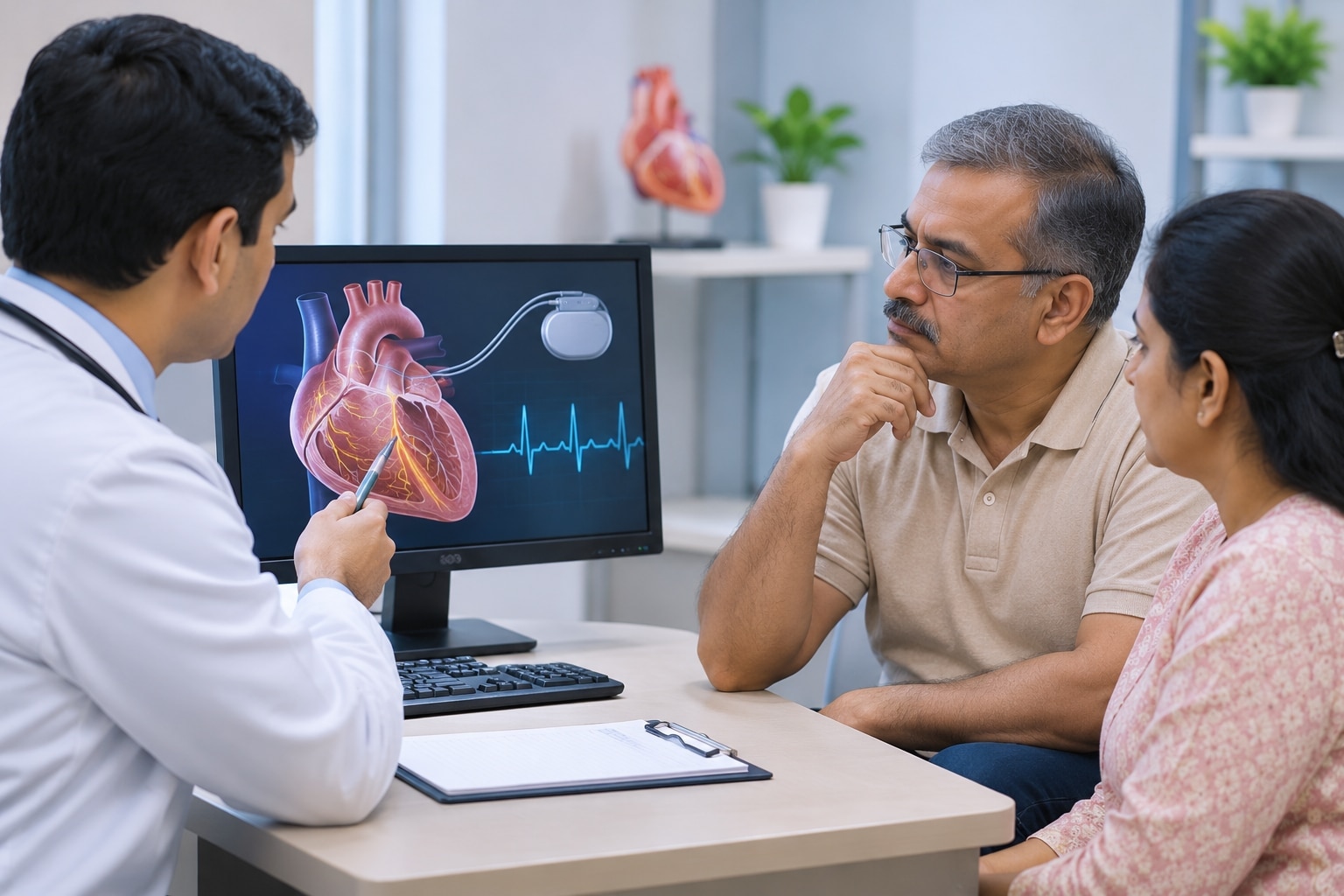
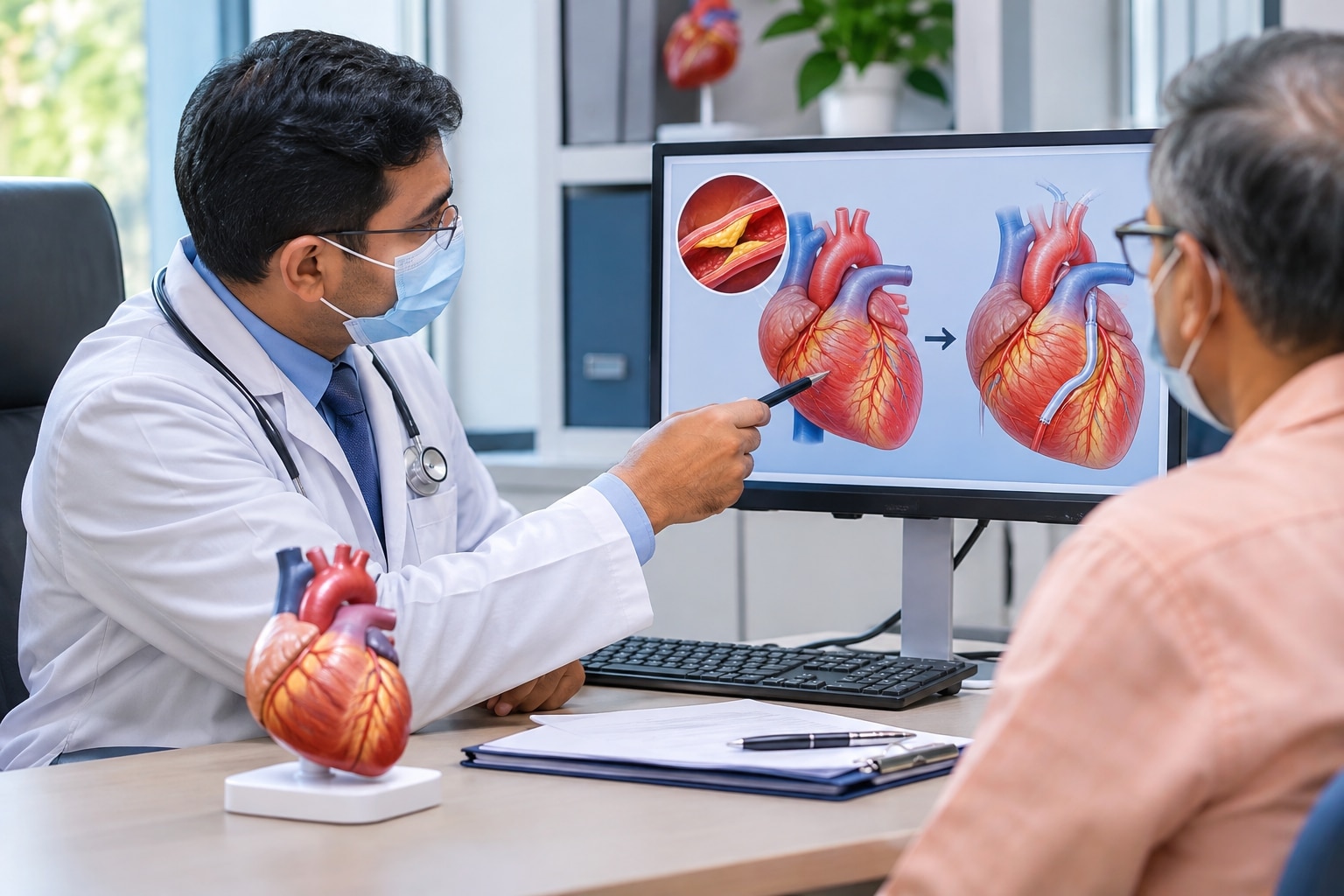
Doctors choose among CABGSurgery, PCI angioplasty and medical treatment by weighing anatomy, symptoms, expected benefit and procedural risk—not by counting blockages. Coronary angiography shows where disease lies, but fractional flow reserve can identify whether an intermediate narrowing limits blood flow; IVUS clarifies calcium, vessel size and left-main disease.
Echocardiography measures pumping function, while stress testing helps when symptoms and angiography do not match.
| Option | What it offers | When it is favoured |
|---|---|---|
| CABG | Bypasses several diseased segments and can achieve more complete revascularization | Left-main or complex three-vessel disease, diabetes with LAD disease, reduced heart function, or anatomy unsuitable for durable stents |
| PCI angioplasty | Opens selected lesions with a balloon and stent, avoiding chest surgery | Fewer or less complex lesions, suitable vessel anatomy, high surgical risk, or a patient who cannot undergo CABG |
| Medical treatment | Controls symptoms and plaque risk with antiplatelet therapy, cholesterol lowering, blood-pressure and diabetes treatment, smoking cessation and exercise | Stable disease without a clear survival advantage from revascularization, or when procedures are unsafe or unlikely to improve blood flow |
Significant left-main CoronaryArteryDisease generally favours CABG for a surgical candidate because surgery improves survival compared with medical treatment. PCI can suit selected patients with low-to-intermediate complexity or prohibitive surgical risk.
Diabetes, kidney disease, frailty, lung disease, aortic calcification and weak ventricular function can shift the balance, so the Heart Team compares an individualized surgical-risk estimate with the likelihood of repeat PCI and incomplete treatment.
Choosing Grafts and Defining Complete Revascularization
Complete revascularization means restoring useful blood flow to every important, viable heart-muscle territory—not placing a graft on every visible narrowing. Surgeons prioritise severe or flow-limiting disease in vessels large enough to accept a graft, especially when the downstream muscle is still viable.
A small, diffusely diseased artery or a lesion with strong competing native flow may offer little benefit and a poor chance of long-term graft openness.
| Conduit | Usual target | Why it is chosen |
|---|---|---|
| Left internal mammary artery (LIMA) | Left anterior descending artery (LAD) | Preferred for durable long-term patency |
| Radial artery | Important non-LAD target | Often preferred over a vein graft; avoid an arm reserved for dialysis access and confirm adequate hand circulation |
| Saphenous vein graft | Other suitable coronary targets | Flexible and readily available, but usually less durable than arterial conduits |
Planning BypassSurgery requires more than matching the biggest blockage to the nearest graft. The team reviews angiography for vessel diameter, calcium, diffuse disease, lesion location and the quality of the artery beyond each blockage.
It also considers ischemia, symptoms, left-ventricular function, kidney disease, diabetes and whether the proposed grafts will compete with blood still moving through the native artery.
Before CABGSurgery, surgeons may use fractional flow reserve or intravascular ultrasound when angiography leaves the severity or vessel structure uncertain. They then choose grafts that cover the important territories without adding low-value grafts unlikely to remain open.
A Heart Team discussion helps when anatomy, surgical risk and the possibility of complete revascularization do not point in the same direction.
What the CABG Operation and Hospital Pathway Involve
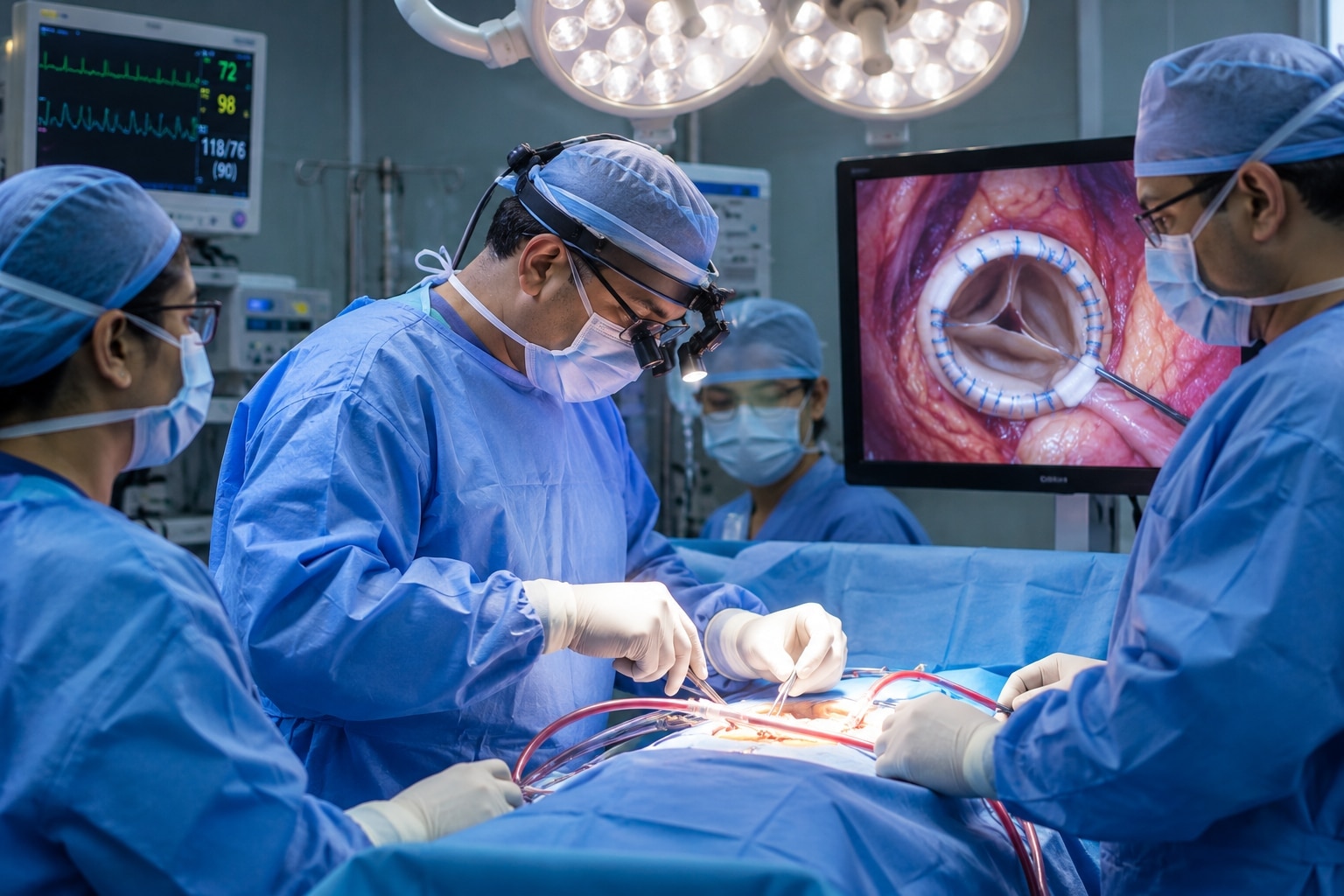
Before CABGSurgery, the team reviews coronary angiography, blood tests, kidney function, chest imaging and echocardiography, then confirms medicines to continue or stop. You fast before admission, receive intravenous access and monitoring, and meet the anaesthetist. General anaesthesia keeps you unconscious while a breathing tube supports ventilation.
| Approach | What happens | Main trade-off |
|---|---|---|
| On-pump CABG | A heart-lung machine circulates blood while the heart is temporarily stopped; the surgeon attaches grafts to bypass blocked segments. | Provides a still field for complex or multiple grafts, but adds machine-related exposure. |
| Off-pump CABG | Grafts are sewn while the heart continues beating, using stabilising equipment. | Avoids the heart-lung machine, but demands high technical precision and is not automatically safer or better. |
| Minimally invasive CABG | Surgeons use smaller chest incisions, sometimes with robotic assistance, for selected graft patterns and anatomy. | Less chest-wall disruption can aid recovery, but it is unsuitable for every vessel arrangement or number of grafts. |
After BypassSurgery, intensive-care monitoring tracks blood pressure, heart rhythm, oxygen levels, bleeding, urine output and heart function. The breathing tube comes out when you are awake and stable; staff then advance movement, breathing exercises, eating and pain control. Before discharge, you receive wound and medicine instructions, warning signs, follow-up appointments and a cardiac-rehabilitation referral.
Ordinary activities return progressively, often over 6 to 12 weeks, depending on complications, occupation and surgical approach.
Managing Risk and Protecting the Grafts After Surgery
Recovery is shaped by what happens after BypassSurgery (CABG), not only by the operation itself. Watch for bleeding, wound infection, atrial fibrillation, stroke, kidney injury and reduced heart function; contact your surgical team urgently for chest pain, breathlessness, fainting, fever, a rapidly irregular pulse or drainage from the incision.
Protect the grafts with the medicines and checks prescribed:
- Take aspirin, usually started within six hours, indefinitely unless contraindicated.
- Take a high-intensity statin when indicated, even if your cholesterol improves.
- Use a second antiplatelet medicine only when your cardiologist recommends it, such as after acute coronary syndrome or when vein-graft failure risk is high; the combination increases bleeding risk.
- Control blood pressure and diabetes, and report black stools, vomiting blood or unusual bruising.
Ask a Cardiologist in Pune to reconcile every medicine at discharge, including painkillers and diabetes tablets, because ibuprofen and similar drugs can raise bleeding or kidney risks.
Cardiac rehabilitation should begin with referral before discharge. A structured programme combines monitored exercise, wound and activity guidance, nutrition, smoking cessation and risk-factor checks. Increase walking progressively; many people resume ordinary activities within 6 to 12 weeks, but sternum healing, complications, occupation and surgical approach change that timeline.
CABG does not stop CoronaryArteryDisease in untreated arteries or prevent new plaque. Avoid tobacco, follow a heart-healthy eating pattern, attend follow-up appointments and continue exercise after rehabilitation ends.
Related service
Bypass Surgery (CABG) in Erandwane, Pune Bypass Surgery (CABG) in Erandwane, Pune Coronary Artery Bypass Grafting (CABG) is a major cardiac surgery performed to restore blood flow in blocked coronary arteries by creating alternate... View service → |
Frequently asked questions
Why does the number of coronary blockages not determine treatment by itself?
Doctors assess the location and severity of each narrowing, the amount of heart muscle at risk, the complexity of the coronary anatomy and whether blood flow can be restored completely.
How do doctors compare CABG surgery, angioplasty and medical treatment?
The heart team reviews coronary anatomy, symptoms, heart function, diabetes, surgical risk and the likelihood of complete revascularization before recommending CABG, angioplasty or medical treatment.
What does complete revascularization mean in bypass surgery?
Complete revascularization means creating treatment routes to all important areas supplied by significantly narrowed or blocked coronary arteries when the anatomy allows it.
What happens during the CABG hospital pathway?
The pathway includes preoperative testing, graft planning, the operation, intensive care monitoring, transfer to a ward, wound care, mobility and discharge planning.
How can you protect bypass grafts after surgery?
Take prescribed medicines, attend cardiac rehabilitation, control blood pressure, cholesterol and diabetes, avoid tobacco, follow activity guidance and keep follow-up appointments.
Keywords