A low pulse or fainting spell does not automatically mean that you need a pacemaker. You will learn which symptoms require emergency care, how clinicians connect an episode to a heart rhythm, which reversible causes need treatment first, and what to ask before considering implantation.
Key takeaways
- Call emergency services after fainting with chest pain, breathlessness, or an ongoing irregular heartbeat.
- Record pulse readings alongside symptoms, medicines, and the time each episode occurs.
- Ask about ECG, Holter monitoring, event monitoring, or an implantable loop recorder.
- Pacing requires a documented rhythm problem linked to symptoms or a high-risk conduction block.
How to recognise a slow heartbeat in everyday life
A SlowHeartbeat may show as an unusually low pulse reading, persistent fatigue, reduced exercise tolerance, weakness, breathlessness, confusion, dizziness, or near-fainting. These symptoms matter more than the number alone because they suggest that the brain and muscles are not receiving enough blood.
1. Check the context. A low resting rate during sleep or in a well-trained athlete can be normal, and nocturnal bradycardia is not automatically dangerous. A rate caused by beta blockers, some calcium-channel blockers, digoxin, antiarrhythmics, dehydration, hypothyroidism, electrolyte abnormalities, infection, inflammation, myocardial ischaemia, or sleep-related breathing disorders needs medical review.
Do not stop prescribed medicines without advice.
2. Understand what an abnormal rhythm might mean. Sinus bradycardia is a slow but organised rhythm; sinus pauses are gaps between beats. Atrioventricular block delays or stops signals between the upper and lower chambers, while bundle-branch or other conduction disease disrupts signal travel.
Their treatments differ, so a low number alone is not a pacemaker indication.
3. Treat device readings as clues, not diagnoses. A smartwatch or fingertip oximeter can flag a low rate but cannot identify the conduction mechanism. Motion, poor contact, and low circulation can create false readings. Seek urgent care for fainting, chest pain, severe breathlessness, confusion, or a very low pulse with weakness; HeartRhythmDisorders require documented evaluation.
What to do when fainting happens and when to call for help
A faint often begins with light-headedness, warmth, nausea, sweating, visual dimming, palpitations, or sudden weakness. The person becomes unresponsive, slumps or falls, then usually wakes within seconds to minutes; tiredness or brief confusion can follow. Delayed or incomplete recovery is not reassuring.
| Situation | What it suggests | Action |
|---|---|---|
| After prolonged standing with warning symptoms | Reflex or orthostatic faint is more likely, but HeartRhythmDisorders remain possible | Lie flat and arrange assessment if recurrent |
| During exercise, or while sitting or lying down | Higher-risk cardiac cause | Seek urgent medical assessment |
| Sudden palpitations, very low pulse, or no warning | Possible intermittent rhythm problem | Call emergency services |
Lay the person flat, raise their legs when safe, loosen tight clothing, and check breathing. Place an unconscious but breathing person in the recovery position.
Call emergency services if they do not wake promptly; call immediately for chest pain, severe breathlessness, prolonged unconsciousness, injury, seizure-like movements, new neurological symptoms, repeated episodes, or a very low pulse with weakness.
Record posture, activity, warning symptoms, duration, pulse, blood pressure, medication timing, recovery time, injuries, and witness observations. Tell the clinician about any family history of sudden cardiac death.
Which tests can capture an intermittent rhythm problem
A normal clinic pulse or short ECG does not exclude intermittent HeartRhythmDisorders. Clinicians take a detailed history, examine you with blood pressure measured lying and standing, review medicines, perform a 12-lead ECG, and order targeted blood tests for thyroid and electrolyte disorders. They add echocardiography when structural heart disease is suspected.
An ECG recorded after symptoms end can be normal.
Monitoring is chosen by event frequency, not symptom severity:
| Option | When it applies | Practical burden |
|---|---|---|
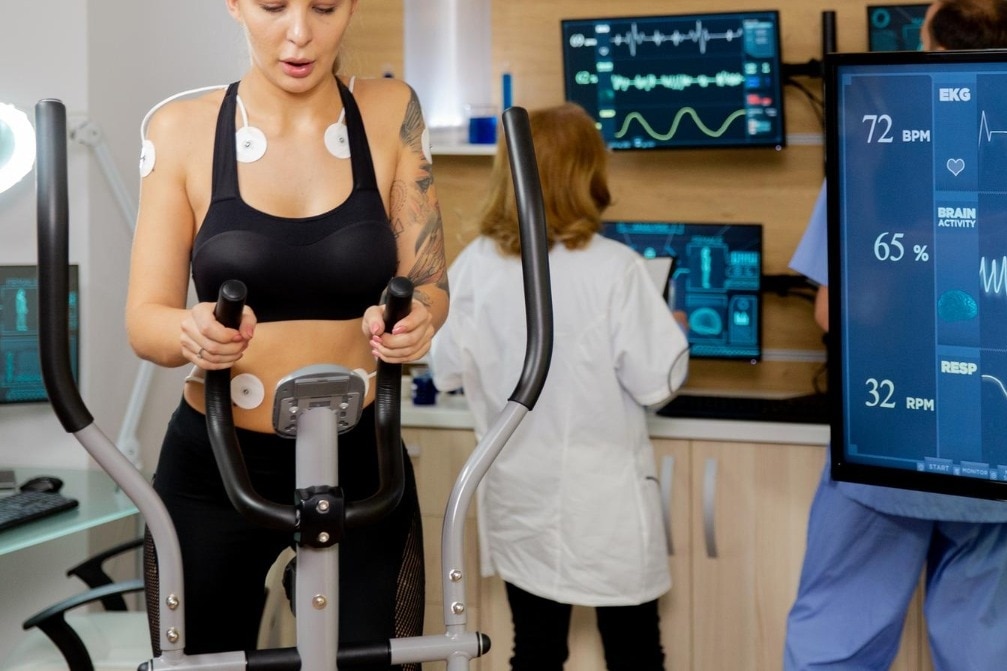
| 24–72-hour Holter | Frequent symptoms | Wear electrodes continuously; skin irritation and detached electrodes can interrupt recording. Continue normal activities unless told otherwise. |
| Longer event monitor | Less frequent episodes | Press the symptom button, keep a symptom diary, manage bathing restrictions, and follow activity limits. Detached electrodes and skin irritation remain possible. |
| Implantable loop recorder | Rare but important unexplained events | A minor implanted-device procedure avoids daily electrodes, but requires follow-up and records events for a prolonged period. |
All monitors record rhythm; none treats SlowHeartbeat. Record posture, activity, symptoms, and timing even when the device activates automatically. Tilt-table testing is reserved for selected suspected reflex syncope or orthostatic cases after the initial assessment has not established the cause.
When a documented rhythm supports pacing—and when it does not
Pacing is justified by the rhythm diagnosis, not by a low number alone. Sinus-node dysfunction usually requires symptoms that match documented bradycardia or pauses after reversible causes have been addressed. No single minimum heart rate or pause duration applies to everyone.
| Rhythm finding | What it means for pacing | What must be checked |
|---|---|---|
| Sinus-node dysfunction | Pace when symptoms correlate with bradycardia or pauses | Medicines, thyroid, electrolytes, dehydration and sleep-related breathing disorders |
| Mobitz type II AV block | Permanent pacing generally applies even without symptoms | Confirm it is not reversible or physiological |
| High-grade or complete heart block | Permanent pacing generally applies even without symptoms | Exclude reversible causes and assess urgency |
An athlete’s low resting rate, sleep-related bradycardia, low blood pressure, or an asymptomatic SlowHeartbeat does not prove that a device will help. Neither does an unreliable smartwatch reading, dehydration, untreated thyroid or electrolyte disease, or unexplained fainting without rhythm evidence. Implantation could treat the wrong problem.
Before PacemakerImplantationInErandwane, ask:
- What rhythm was recorded?
- Was it present during the episode?
- Is the cause reversible?
- What happens if treatment is delayed?
- Is temporary pacing needed?
A normal rhythm during symptoms should redirect the evaluation toward causes such as reflex fainting or orthostatic hypotension.
What implantation involves and how pacemaker choices differ
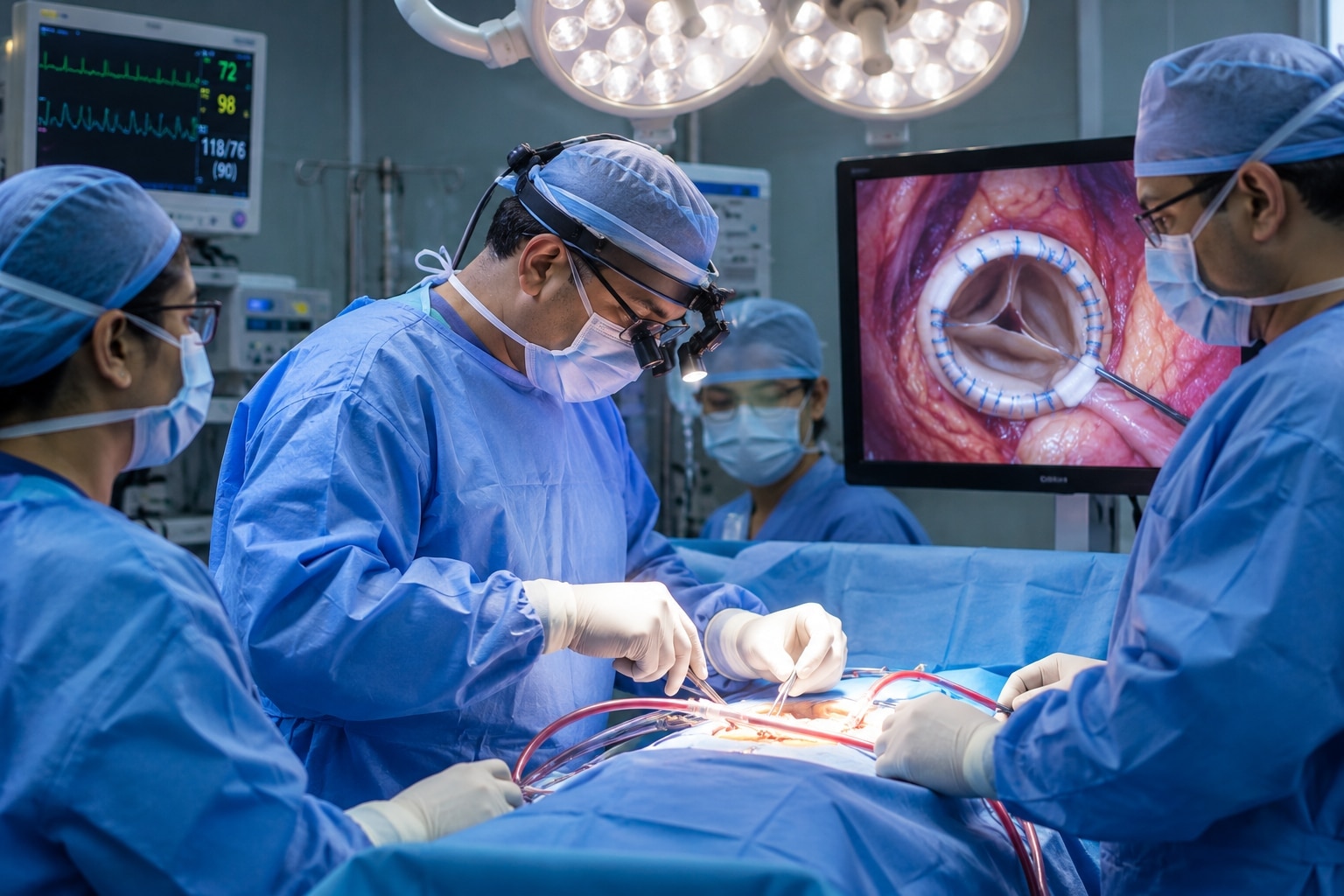
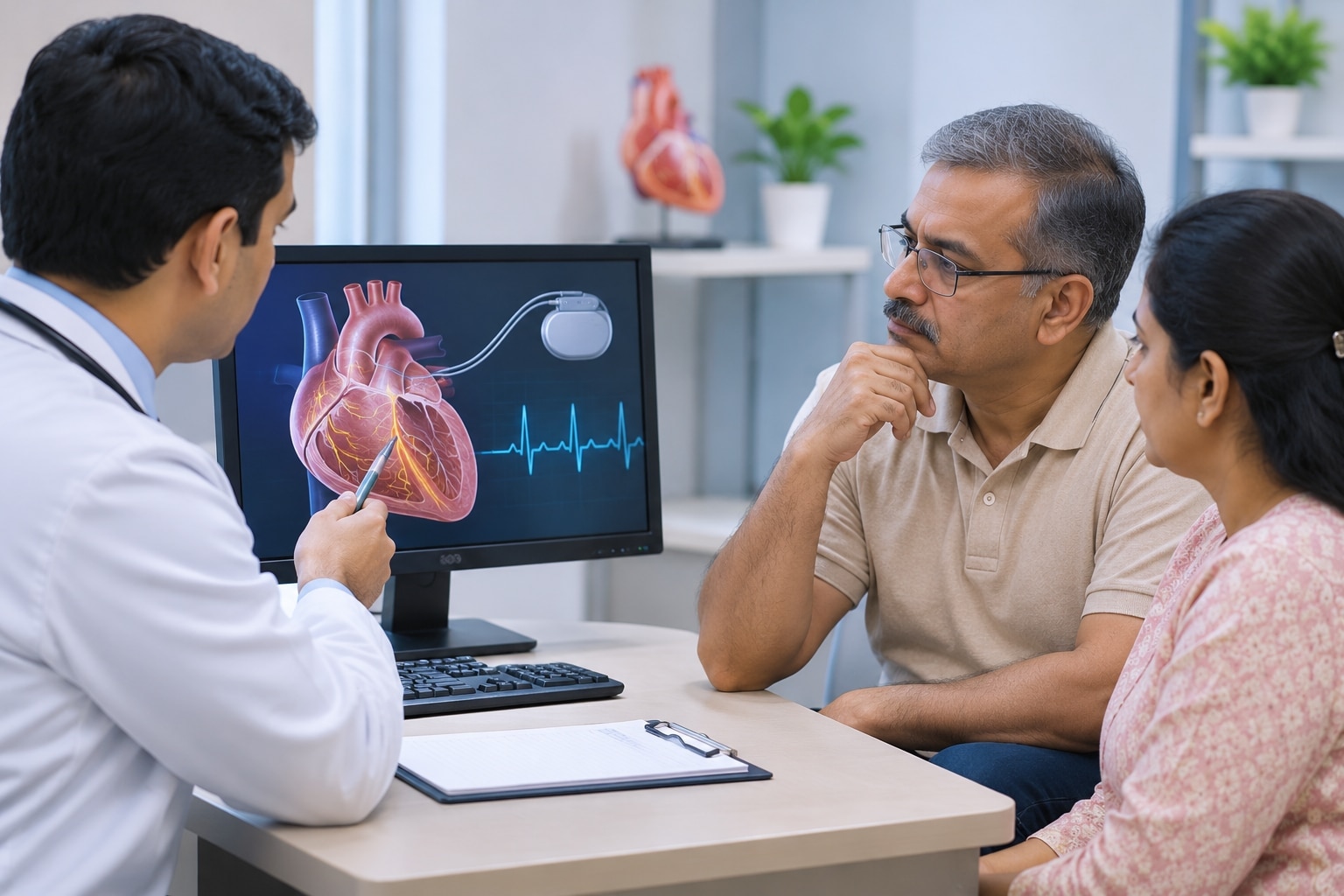
Before PacemakerImplantationInErandwane, confirm the rhythm diagnosis, its connection to your symptoms, and whether reversible causes were treated. Pre-procedure checks usually include an ECG, blood tests, medication review, and assessment of bleeding risk and structural heart disease. A transvenous system is placed through a vein into the heart under local anaesthesia, with sedation in many cases.
| Device | Treats | Key trade-off |
|---|---|---|
| Standard pacemaker | Selected slow rhythms | Does not treat dangerous fast rhythms |
| CRT | Coordinates ventricular contraction in qualifying heart-failure patients | More leads and a more involved system |
| ICD | Detects and treats dangerous fast ventricular rhythms | Not a substitute for ordinary pacing |
Afterward, keep the wound clean and dry as instructed, watch for redness or drainage, and limit strenuous arm movement and heavy lifting while the leads settle. Attend device interrogation checks and follow-up when your treating team schedules them.
- Expect bruising or bleeding, infection, pneumothorax, lead displacement, venous problems, and device malfunction.
- Plan for driving restrictions, wound care, ongoing interrogation checks, repeat procedures, and eventual battery replacement.
- Ask what happens if you delay treatment and how benefit was estimated.
A device cannot correct fainting from dehydration, reflex syncope, seizure, or a normal rhythm during symptoms. Expected benefit depends on proving the rhythm mechanism and symptom connection.
How to prepare for evaluation and live safely after implantation
Bring a complete medicine list, prior ECGs and reports, allergy history, an episode chronology, witness accounts, and details of falls or injuries. Ask specifically how anticoagulants and diabetes medicines affect testing or implantation; do not stop or change either independently.
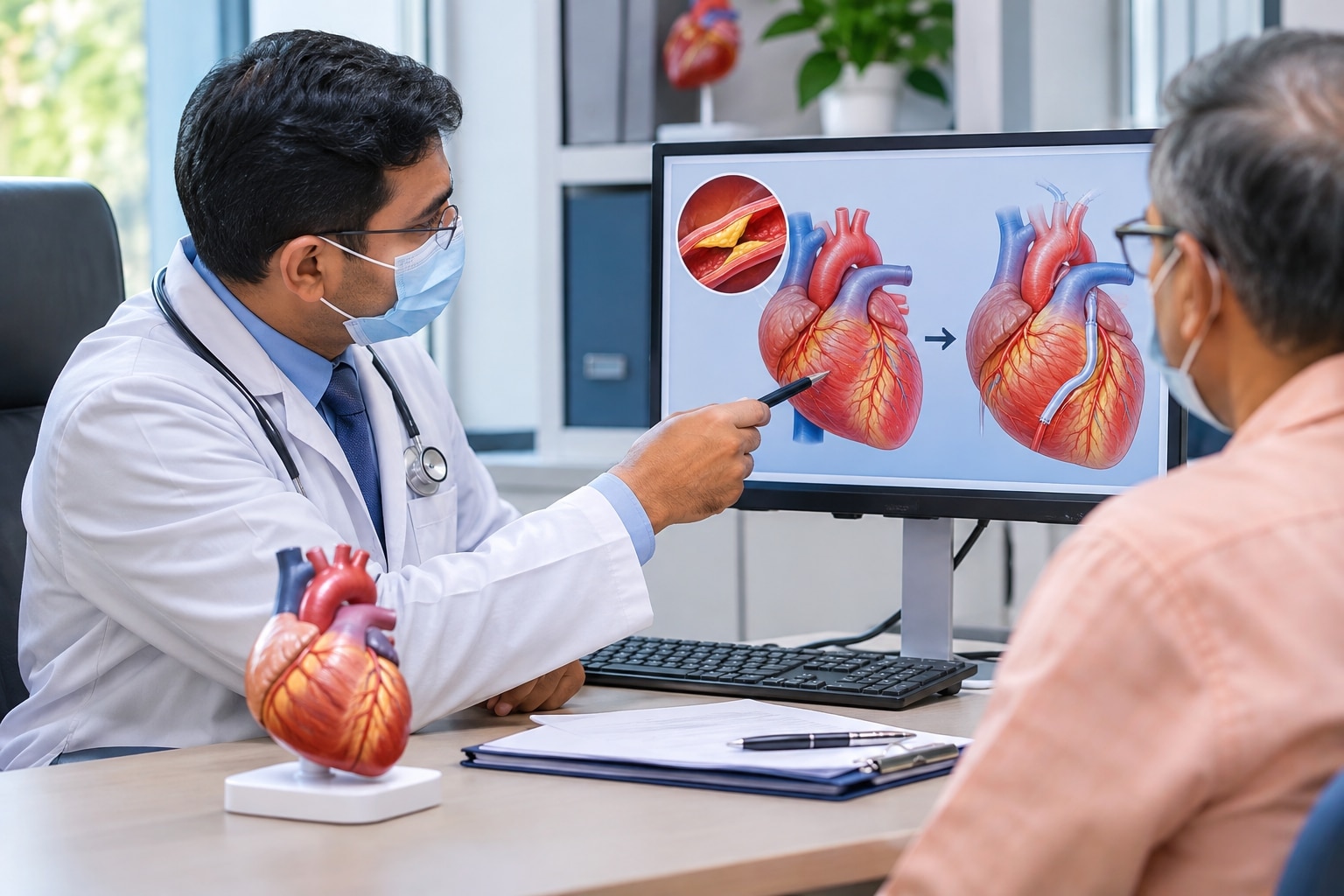
- Begin with a cardiology consultation, examination, lying and standing blood-pressure readings, and a 12-lead ECG. Blood tests can check thyroid function, electrolytes, glucose, anaemia, or other reversible causes.
- Add echocardiography when structural heart disease is suspected. Select rhythm monitoring by episode frequency: a 24-to-72-hour Holter for frequent symptoms, or longer monitoring for less frequent events.
- For PacemakerImplantationInErandwane, Cardiologist in Pune can provide a route to this structured assessment in Erandwane through consultation, ECG, and Holter monitoring; a device is not automatic.
After implantation, carry your device identification card and attend every scheduled interrogation check. Ask whether your system is MRI-compatible and follow the treating team’s advice around strong electromagnetic sources. Report fever, wound redness, swelling, drainage, worsening breathlessness, or recurrent fainting promptly.
Keep follow-up appointments even when you feel well; battery and lead checks detect problems before symptoms appear.
Related services
Pacemaker Implantation in Erandwane, Pune Pacemaker Implantation in Erandwane, Pune Pacemaker implantation is a life-saving procedure where a small electronic device is placed to regulate abnormal heart rhythms. View service → |
ECG Test in Erandwane, Pune An Electrocardiogram (ECG) is a simple, quick, and non-invasive test that records the electrical activity of your heart. View service → |
Frequently asked questions
How can you recognise a slow heartbeat in everyday life?
Check your pulse during symptoms and note fatigue, reduced exercise tolerance, weakness, breathlessness, confusion, dizziness, or near-fainting. Symptoms matter alongside the pulse reading.
When should you call for help after fainting?
Call emergency services after fainting with chest pain, severe breathlessness, injury, confusion, seizure-like movements, or a heartbeat that remains very slow or irregular.
Which tests can detect an intermittent rhythm problem?
A 12-lead ECG can identify a current rhythm problem. Holter monitoring, event monitors, and implantable loop recorders can capture episodes that do not occur during a clinic ECG.
When does a documented rhythm problem support pacemaker implantation?
Pacing is considered when testing documents a clinically important slow rhythm or conduction block that explains symptoms, or identifies a high-risk block. A low pulse without a matching cause does not automatically require a pacemaker.
What happens during pacemaker implantation?
A generator is placed beneath the skin near the collarbone, with leads guided through a vein into the heart when a transvenous system is appropriate. The team tests lead position and device function before closing the incision.
Related services
Cardiology Consultation in Erandwane, Pune Cardiology Consultation in Erandwane, Pune A Cardiology Consultation is the first step toward understanding and managing your heart health. View service → |
Holter Monitor A Holter Monitor is a portable, continuous ECG recording device used to monitor your heart's rhythm for 24 to 72 hours. View service → |
Keywords