
Chest discomfort, unexplained breathlessness, abnormal cardiac test findings, or suspected coronary artery disease may lead a cardiologist to recommend Angiography. Hearing that an invasive heart test may be required can naturally raise questions about why it is needed, what happens during the procedure, plus what the results could mean.
For patients in Kothrud, knowing the basic purpose of coronary angiography can make the diagnostic process less unfamiliar.
What Is Angiography?
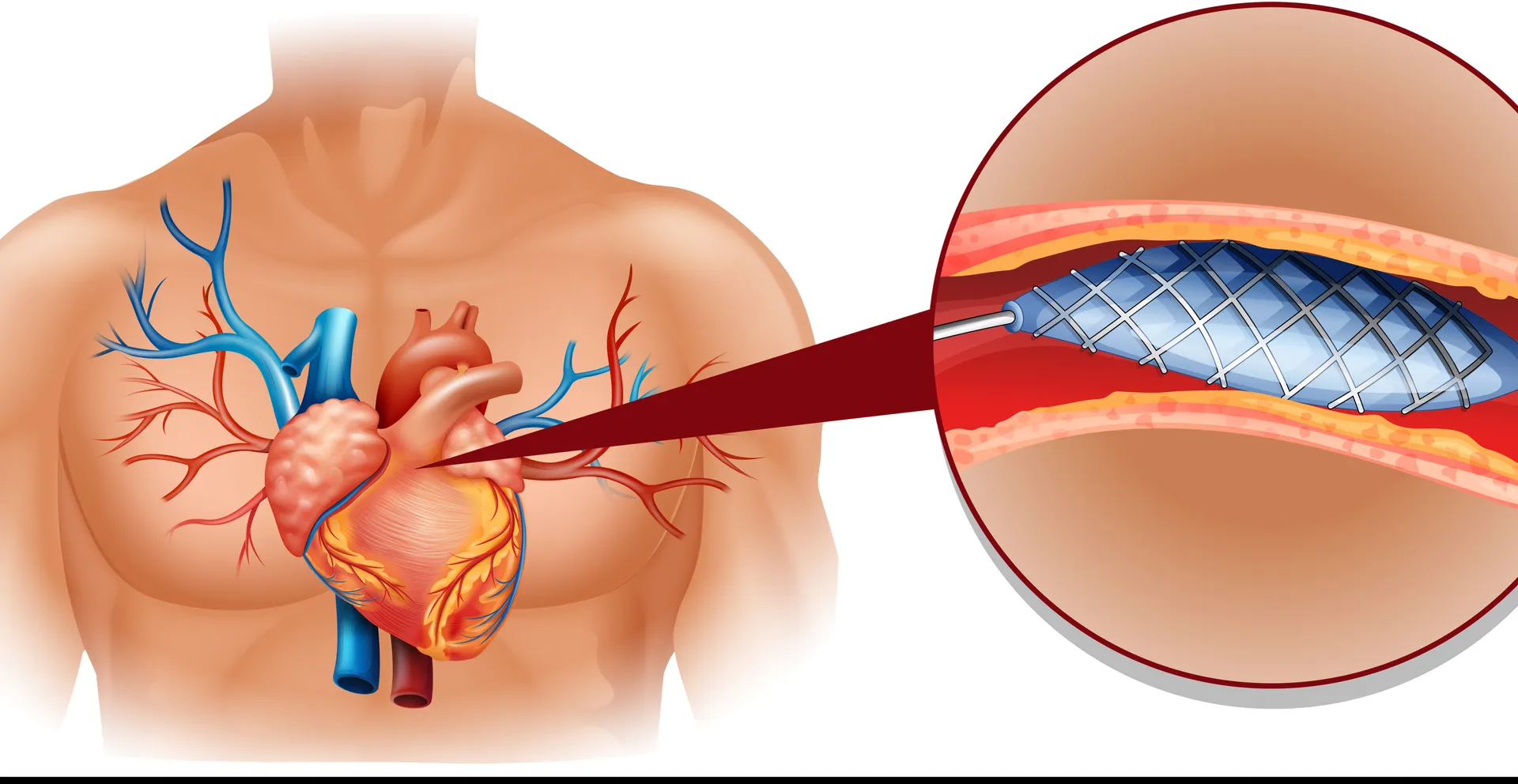
Coronary angiography is a procedure used to visualize the arteries that supply blood to the heart muscle.
A thin catheter is introduced through an artery, commonly through the wrist or groin depending on clinical considerations. Contrast material is delivered through the catheter while X-ray imaging captures the coronary arteries.
The resulting images help identify whether narrowing or blockage is present.
Why Might a Cardiologist Recommend It?
Angiography is not automatically required for every episode of chest pain.
A cardiologist may consider it after evaluating symptoms, risk factors, previous test results, plus the overall likelihood of significant coronary artery disease.
Possible reasons include
- Symptoms suggestive of reduced blood flow to the heart
- Certain abnormal stress-test findings
- Suspected significant coronary artery disease
- Acute cardiac presentations
- Evaluation before selected cardiac procedures
- Reassessment in certain patients with previous coronary treatment
The reason for recommending angiography should be explained according to the patient's specific clinical situation.
What Can the Test Reveal?
Angiography can show where coronary narrowing is located, how extensive it appears, plus which arteries are involved.
This information can help determine whether management may involve medicines, lifestyle measures, angioplasty, bypass surgery, or another strategy.
An important point is that discovering a blockage does not automatically mean every patient requires a stent. Treatment depends on the location, severity, symptoms, overall coronary anatomy, plus other clinical factors.
Preparing for Angiography
Preparation differs according to the patient's health profile.
Patients should make their medical team aware of
- Current medicines
- Blood-thinning medication
- Diabetes treatment
- Previous reactions to contrast material
- Kidney problems
- Previous cardiac procedures
- Relevant allergies
Instructions about fasting plus medication adjustments should come directly from the treating team.
Patients should not independently stop prescribed cardiac medicines simply because angiography has been scheduled.
What Happens After the Procedure?
Following angiography, patients are monitored while the catheter access site recovers. Recovery instructions depend partly on whether the procedure was performed through the wrist or groin.
The medical team may advise patients about physical activity, medicines, hydration, access-site care, plus symptoms requiring medical attention.
If significant narrowing is identified, the cardiologist explains what the findings mean before discussing the next appropriate step.
Questions Worth Asking
Before angiography, patients can ask
- Why is this procedure needed?
- What did my earlier tests indicate?
- Which access site may be used?
- Are there medicines I need to adjust?
- How long is recovery likely to take?
- What happens if significant narrowing is detected?
These questions can make the discussion more focused while reducing uncertainty.
Cardiac Evaluation in Kothrud
The decision to proceed with an invasive cardiac test should be based on appropriate medical evaluation. At Cure Clinic in Kothrud, Dr. Anuja Mulay assesses symptoms, previous investigations, risk factors, plus clinical history when guiding patients through cardiac evaluation.
Bringing previous ECGs, echocardiography reports, stress-test reports, hospital discharge records, plus a current medication list can make the consultation more informative.
Angiography provides detailed information about coronary blood vessels when clinically indicated. Its value lies not merely in finding narrowing but in helping the cardiologist understand coronary anatomy sufficiently to plan suitable care. Patients benefit most when the procedure is viewed as one part of a broader cardiac assessment rather than as an isolated test.
Keywords