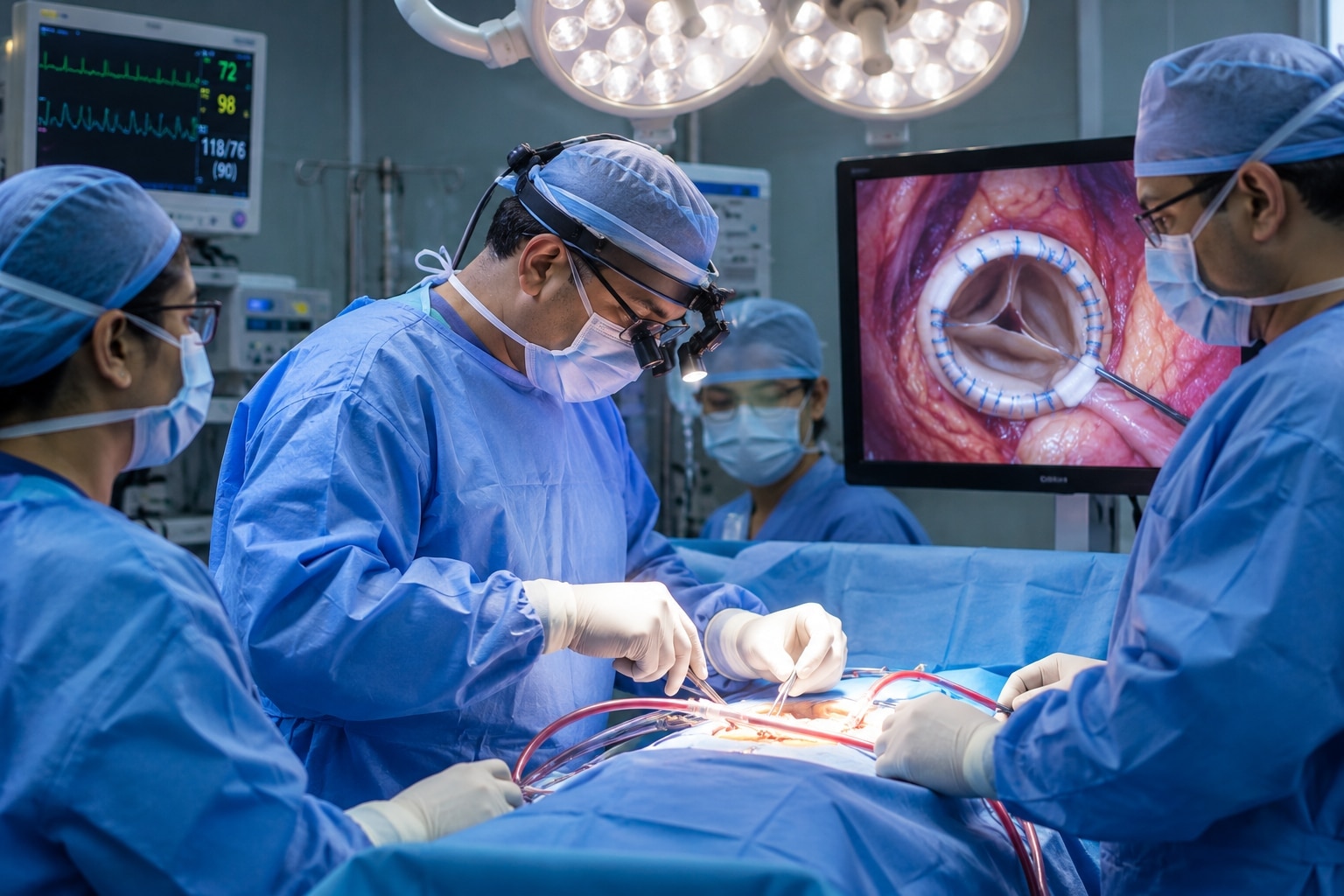

Choosing a Cardiologist in Kothrud Pune becomes particularly important when symptoms are persistent, cardiac test results are abnormal, or an existing heart condition requires ongoing monitoring. The right consultation should do more than produce a prescription. It should help the patient understand the problem, relevant investigations, possible next steps, plus follow-up requirements.
For families supporting older adults with cardiac concerns, a structured approach to choosing care can make appointments more productive.
Start With the Reason for Consultation
Different patients need cardiology care for different reasons.
Common reasons include
- Chest discomfort
- Breathlessness
- Palpitations
- High blood pressure
- Dizziness
- Fainting
- Abnormal ECG findings
- Abnormal stress-test findings
- Valve disease
- Previous angioplasty
- Previous bypass surgery
- Pacemaker follow-up
Knowing the main concern helps patients organize relevant records before the appointment.
Look for Comprehensive Clinical Evaluation
A cardiology consultation should begin with medical history plus symptom assessment.
Details that may matter include
- When symptoms began
- What triggers them
- How long they last
- Existing medical conditions
- Previous cardiac procedures
- Current medication
- Family cardiac history where relevant
- Lifestyle-related cardiovascular risk factors
Testing should then be considered according to clinical need.
A longer list of tests does not automatically mean better care. Appropriate testing is more important than excessive testing.
Clear Explanation Matters
Cardiology reports contain technical language that can be difficult for patients to interpret.
A useful consultation should help answer questions such as
- What is the likely problem?
- Which findings are important?
- What further testing is necessary?
- What treatment is currently required?
- Which symptoms need urgent attention?
- When should follow-up occur?
Patients should feel able to ask why a particular investigation or procedure is being recommended.
Consider Continuity of Cardiac Care
Heart conditions frequently require long-term management rather than a single consultation.
Continuity becomes especially useful for patients with hypertension, coronary artery disease, heart failure, valve disease, rhythm abnormalities, previous stents, bypass history, or implanted cardiac devices.
A cardiologist familiar with previous investigations can compare changes over time.
Check Whether Complex Findings Can Be Put Into Context
Patients sometimes arrive with several reports from different facilities.
One report may mention coronary narrowing. Another may show an echo abnormality. A third may contain ECG changes.
These findings need to be interpreted together rather than independently.
At Cure Clinic in Kothrud, Dr. Anuja Mulay evaluates cardiac symptoms, previous reports, medical history, plus current clinical findings to help patients understand appropriate next steps.
Prepare for the Appointment
Bring
- Current medication list
- Previous ECGs
- Echocardiography reports
- Stress-test reports
- Angiography records
- Procedure discharge summaries
- Recent relevant blood investigations
- Pacemaker details when applicable
Patients should also write down important symptoms plus questions before attending.
For senior citizens taking several medicines, carrying the actual prescriptions can prevent confusion about drug names or doses.
Know When Routine Consultation Is Not Enough
Severe new chest discomfort, sudden significant breathlessness, fainting with ongoing symptoms, or other rapidly worsening cardiac symptoms may require urgent medical attention rather than waiting for a scheduled clinic appointment.
Recognizing this distinction is an important part of responsible cardiac care.
Choosing a Cardiologist in Kothrud Pune should focus on appropriate assessment, clear communication, evidence-based investigation, plus continuity of care. For patients with ongoing heart conditions, the ability to understand both current findings plus future follow-up needs can be just as important as addressing the immediate symptom.
Keywords