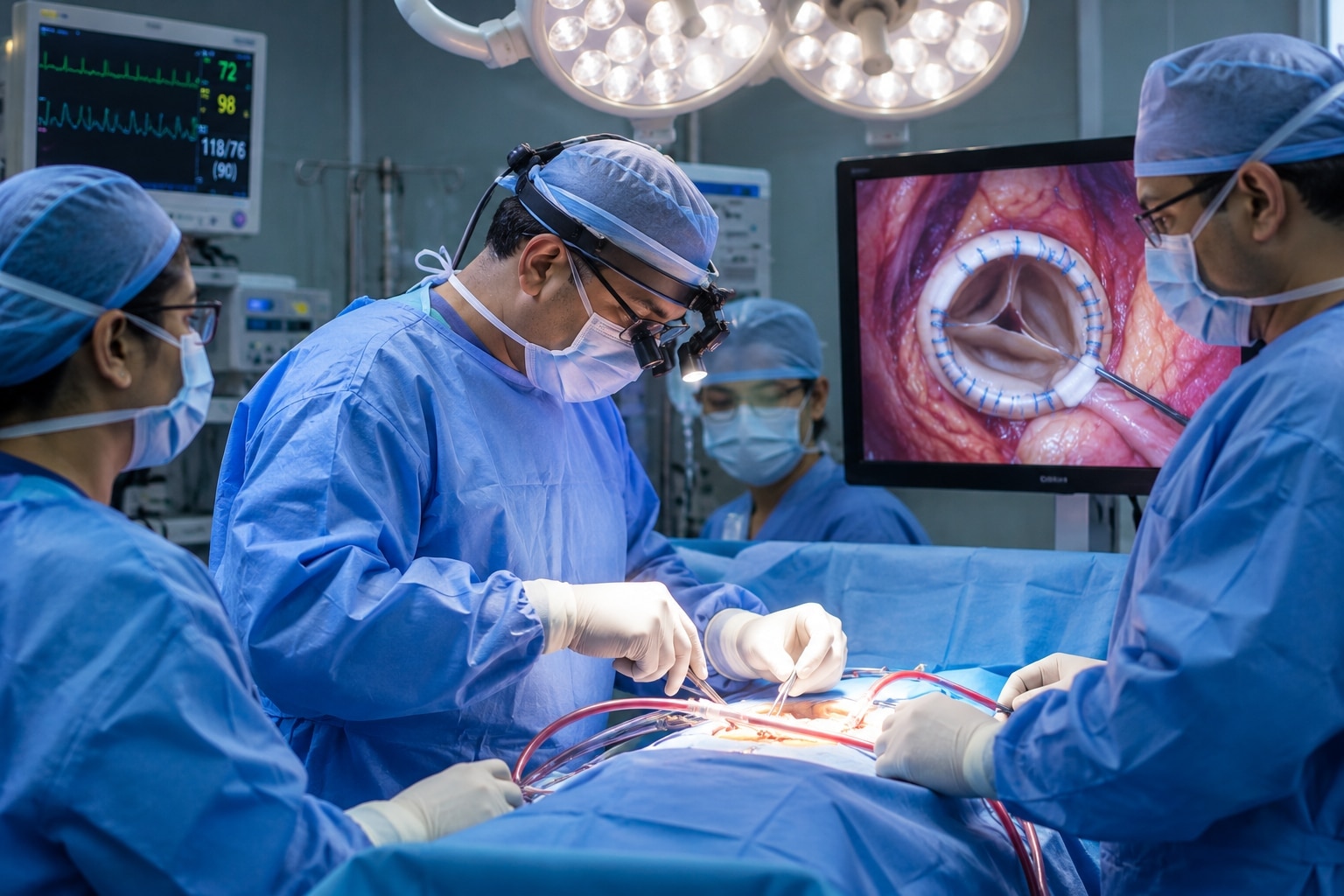
When coronary angiography identifies significant coronary artery disease, patients may hear several treatment possibilities, including medication, angioplasty and Bypass Surgery CABG. The presence of a blockage does not by itself determine which treatment is appropriate.
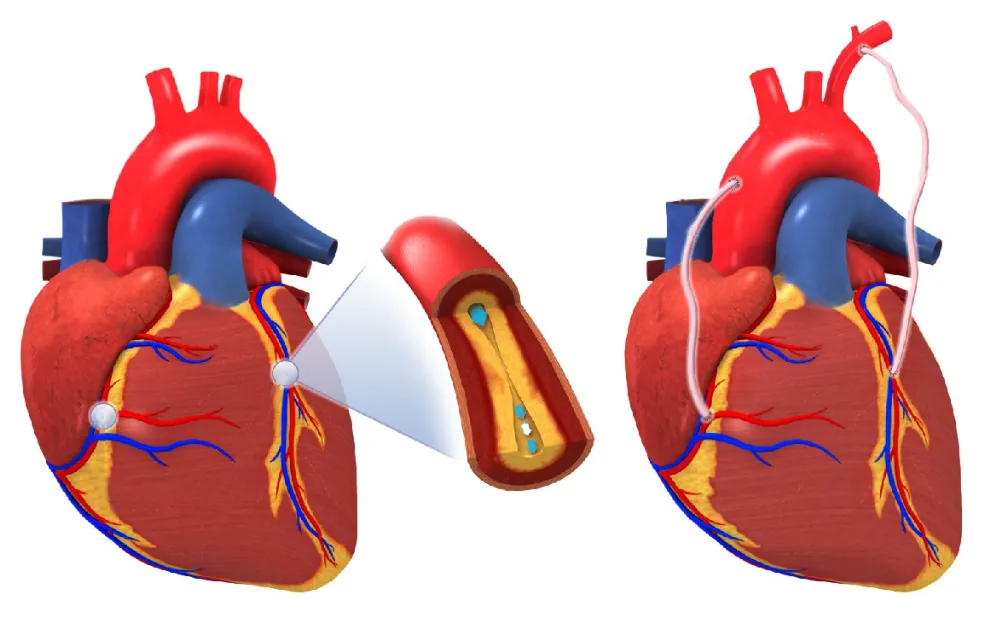
CABG stands for coronary artery bypass grafting. It is an operation designed to create new pathways for blood to reach heart muscle beyond significantly diseased coronary arteries.
At Cure Clinic, Dr. Anuja Mulay can review symptoms and coronary reports to help patients understand why different treatment approaches may be discussed.
How CABG Restores Blood Flow
During bypass surgery, suitable blood vessels from elsewhere in the body are used as grafts.
These grafts create alternative routes around diseased sections of coronary arteries, allowing blood to reach heart muscle beyond the affected areas.
This differs fundamentally from angioplasty, where a catheter-based procedure is used to treat selected narrowed areas from within the coronary artery.
Why Some Patients Are Considered for CABG
The decision can depend on coronary anatomy and the patient's overall health.
Factors that may influence treatment planning include:
- Number of significantly diseased vessels
- Location and complexity of narrowing
- Symptoms
- Heart pumping function
- Diabetes
- Previous coronary procedures
- Other medical conditions
- Suitability for PCI
- Expected benefits and procedural risks
Complex coronary disease may require discussion between interventional cardiologists, cardiac surgeons and other members of the heart team.
CABG and Angioplasty Are Not Interchangeable
Patients often ask which procedure is 'better.' That question cannot be answered without knowing the coronary anatomy and clinical situation.
Angioplasty is less invasive and is appropriate in many coronary situations. CABG may be considered when the distribution or complexity of coronary disease makes surgical revascularisation a more suitable strategy.
The important issue is not choosing a procedure based solely on recovery time. It is determining which treatment approach is appropriate for the individual's disease pattern.
What to Review Before Surgery
Patients who have been advised to consider CABG should understand their angiography findings.
Ask the cardiac team to explain which arteries are significantly affected and why bypass surgery has been recommended.
Also discuss:
- Preoperative investigations
- Existing medications
- Diabetes and blood pressure management
- Expected hospital recovery
- Wound-care instructions
- Gradual return to physical activity
- Cardiac rehabilitation when appropriate
- Long-term cardiovascular risk management
Prescribed medicines should be changed only according to instructions from the treating team.
Treatment Continues After Revascularisation
CABG improves blood supply by bypassing diseased coronary segments, but ongoing cardiovascular care remains important.
Patients may still need medicines and management of cholesterol, hypertension, diabetes and other cardiovascular risk factors. Smoking cessation, appropriate physical activity, nutrition and follow-up may also form part of long-term care.
For eligible patients, structured cardiac rehabilitation can support recovery after CABG.
Reviewing CABG Recommendations
For patients in Kothrud and surrounding areas of Pune who have received an angiography report and have been advised to consider Bypass Surgery CABG, understanding the coronary findings is an important part of preparing for treatment.
At Cure Clinic, Dr. Anuja Mulay can review available cardiac investigations and help patients understand the clinical factors behind the proposed treatment pathway.
CABG is a major treatment decision. Patients are better prepared when they understand the extent of coronary disease, why surgical revascularisation is being considered and what ongoing heart care will involve after the procedure.
Keywords