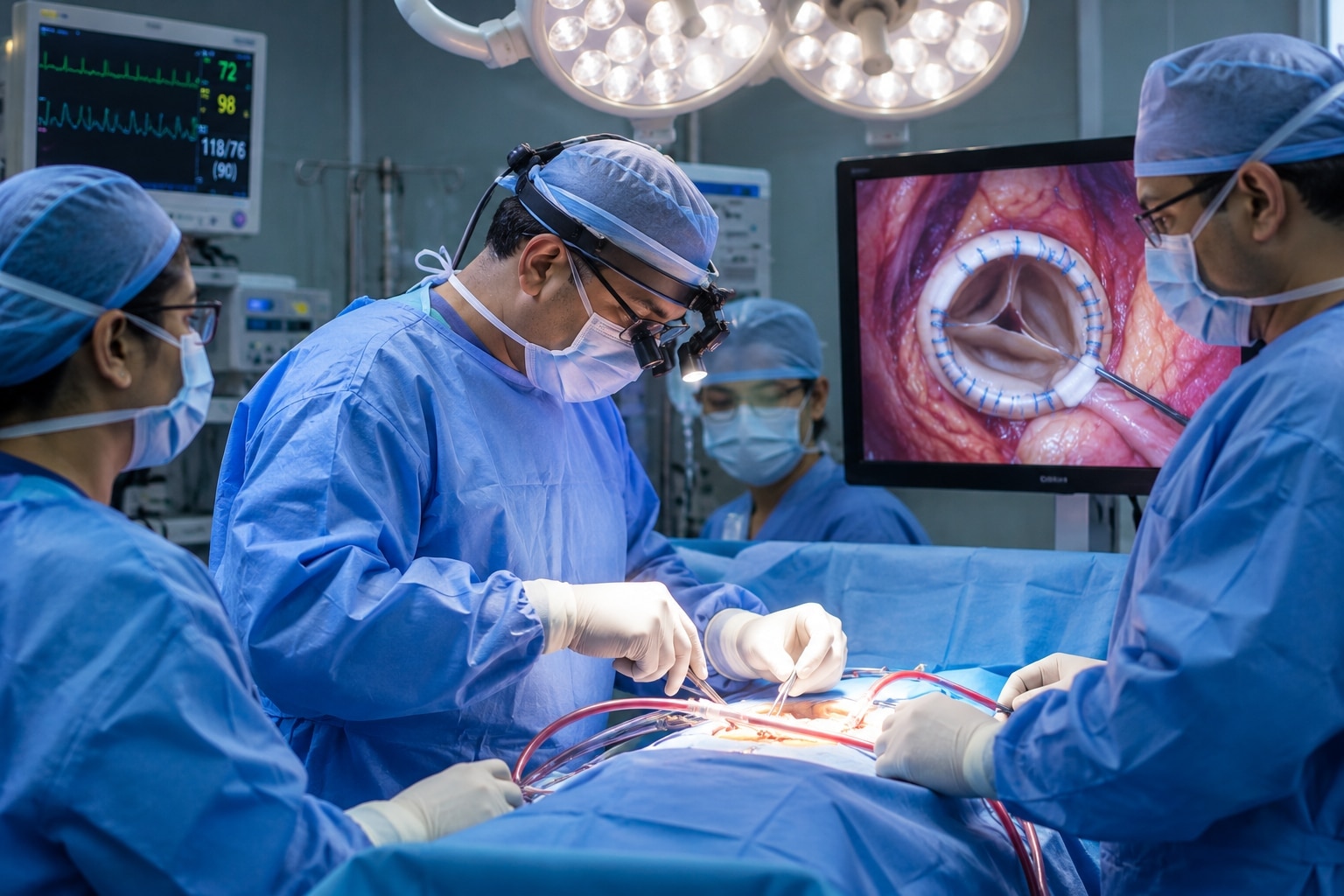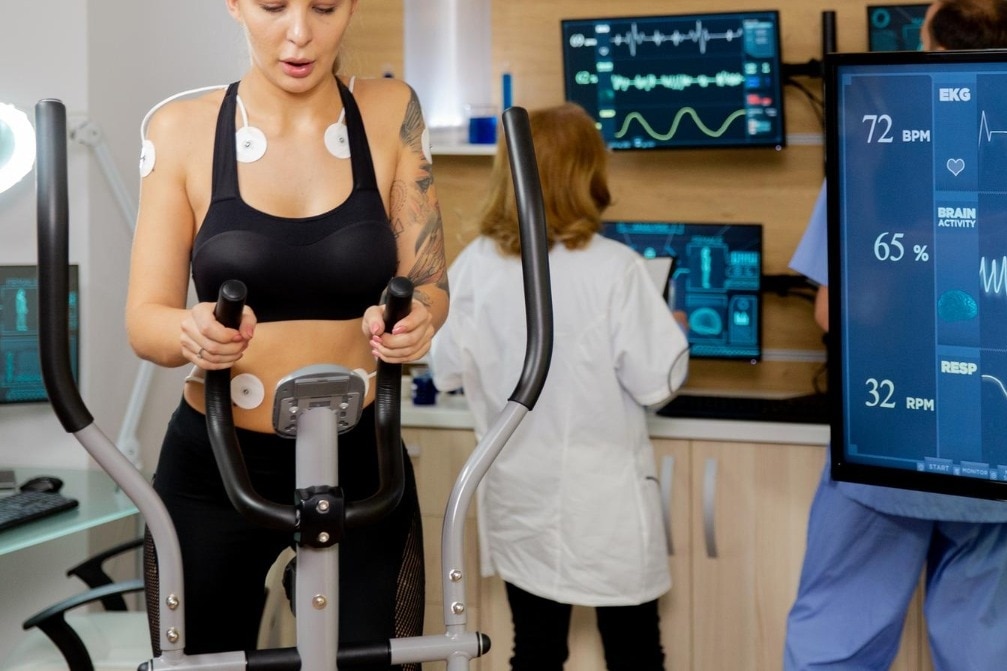

Structural Heart Disease Treatment covers a broad range of conditions involving the physical structures of the heart, including valves, chambers and other cardiac anatomy. Because these conditions vary considerably, treatment can range from monitoring and medication to catheter-based procedures and cardiac surgery.
The first challenge for patients is understanding exactly which structure is affected and how significantly it is influencing heart function.
At Cure Clinic, Dr. Anuja Mulay can evaluate symptoms and cardiac investigations to help patients understand the next steps in structural heart assessment.
Symptoms That Deserve Evaluation
Structural heart conditions may produce symptoms gradually.
Patients may experience:
- Shortness of breath
- Reduced exercise capacity
- Unusual fatigue
- Palpitations
- Dizziness
- Fainting
- Swelling in the legs
- Chest discomfort
Symptoms alone cannot identify the specific structural problem. Clinical examination and cardiac imaging are usually important.
Why Echocardiography Is Often Important
A 2D Echo provides information about cardiac chambers, muscle function and heart valves.
Colour Doppler adds information about blood flow, making echocardiography particularly useful in the evaluation of many valve abnormalities.
Depending on the condition, additional imaging or invasive assessment may be required when initial findings do not provide enough information.
The objective is to establish the type of abnormality, its severity and its effect on the heart.
Treatment Depends on More Than the Diagnosis Name
Two patients can have the same valve condition yet require different management.
One person may have mild disease without significant symptoms and require periodic monitoring. Another may have advanced disease affecting heart function and need intervention.
Treatment planning may consider:
- Severity of structural abnormality
- Symptoms
- Heart pumping function
- Age
- Other medical conditions
- Previous cardiac procedures
- Procedural risk
- Anatomical suitability for available interventions
This individualisation is particularly important as both surgical and catheter-based options may exist for selected structural conditions.
Questions Patients Should Ask
Before deciding on treatment, understand the diagnosis clearly.
Ask which part of the heart is affected, how severe the problem is and whether it has changed over time.
Patients should also understand whether treatment is needed immediately, whether monitoring is reasonable and what signs would indicate progression.
If an intervention is proposed, ask why that particular approach has been selected and what alternatives may be relevant.
Why Follow-Up Matters
Structural heart disease can change over time.
A patient who does not require intervention today may still need periodic clinical assessment and imaging. Follow-up can help track symptoms, valve function, chamber dimensions and other relevant changes.
Patients should also report meaningful changes in breathlessness, exercise tolerance, swelling, dizziness or fainting rather than waiting automatically for the next scheduled appointment.
Structural Heart Assessment
People seeking Structural Heart Disease Treatment in Kothrud, Pune, benefit from beginning with a clear diagnosis and severity assessment rather than assuming that every structural abnormality requires surgery.
At Cure Clinic, Dr. Anuja Mulay can review symptoms, echocardiography findings and other cardiac reports to help determine what further evaluation may be appropriate.
A well-informed treatment pathway begins by understanding the structural problem, its impact on the heart and the available management options for that individual patient.
Keywords