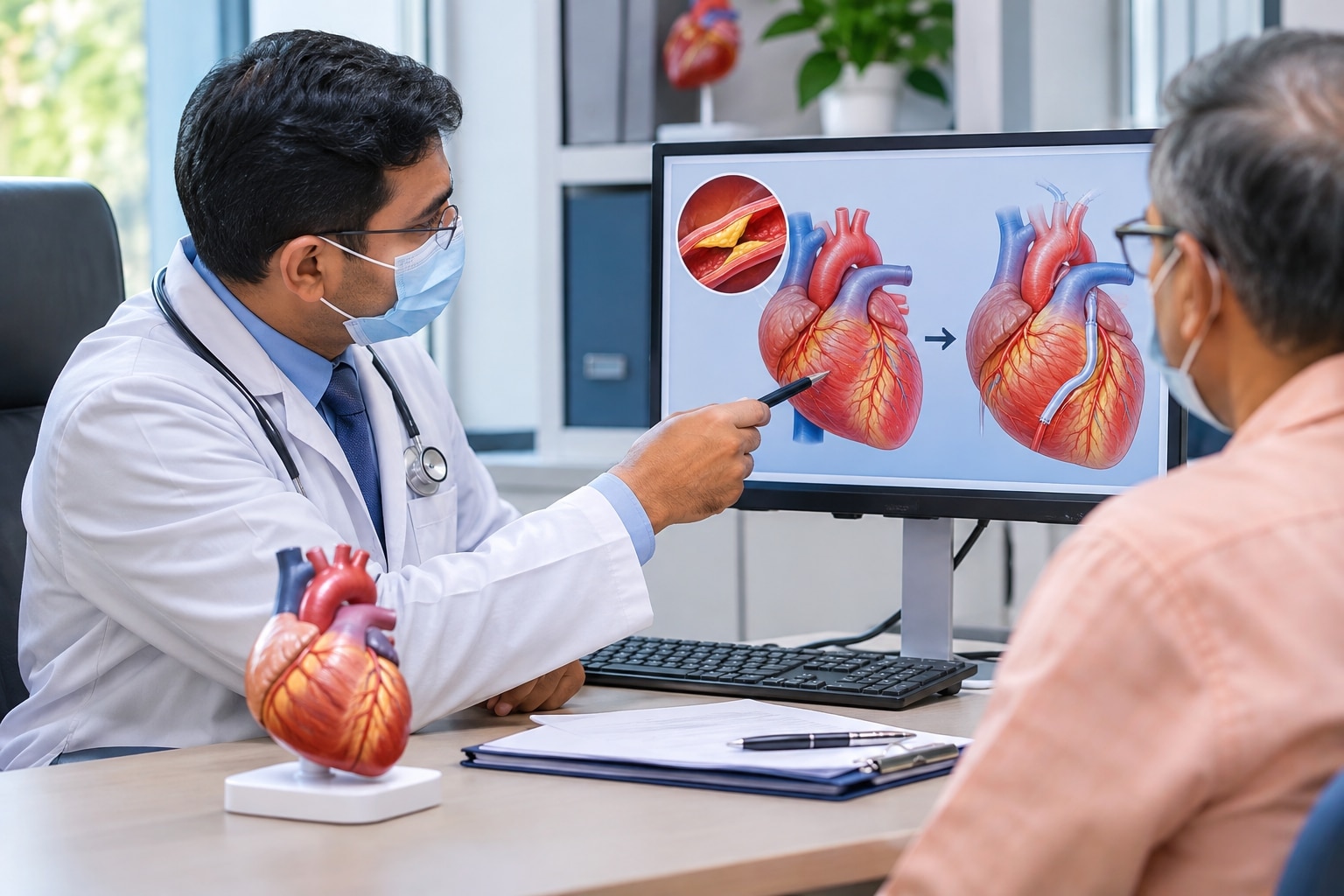

The heart has its own electrical system that controls heartbeat timing. When this system becomes too slow or electrical signals fail to travel properly through the heart, symptoms such as fainting, dizziness, unusual tiredness, or reduced exercise capacity may develop.
For selected rhythm problems, Pacemaker Implantation in Kothrud may be considered after appropriate cardiac assessment.
What Does a Pacemaker Do?
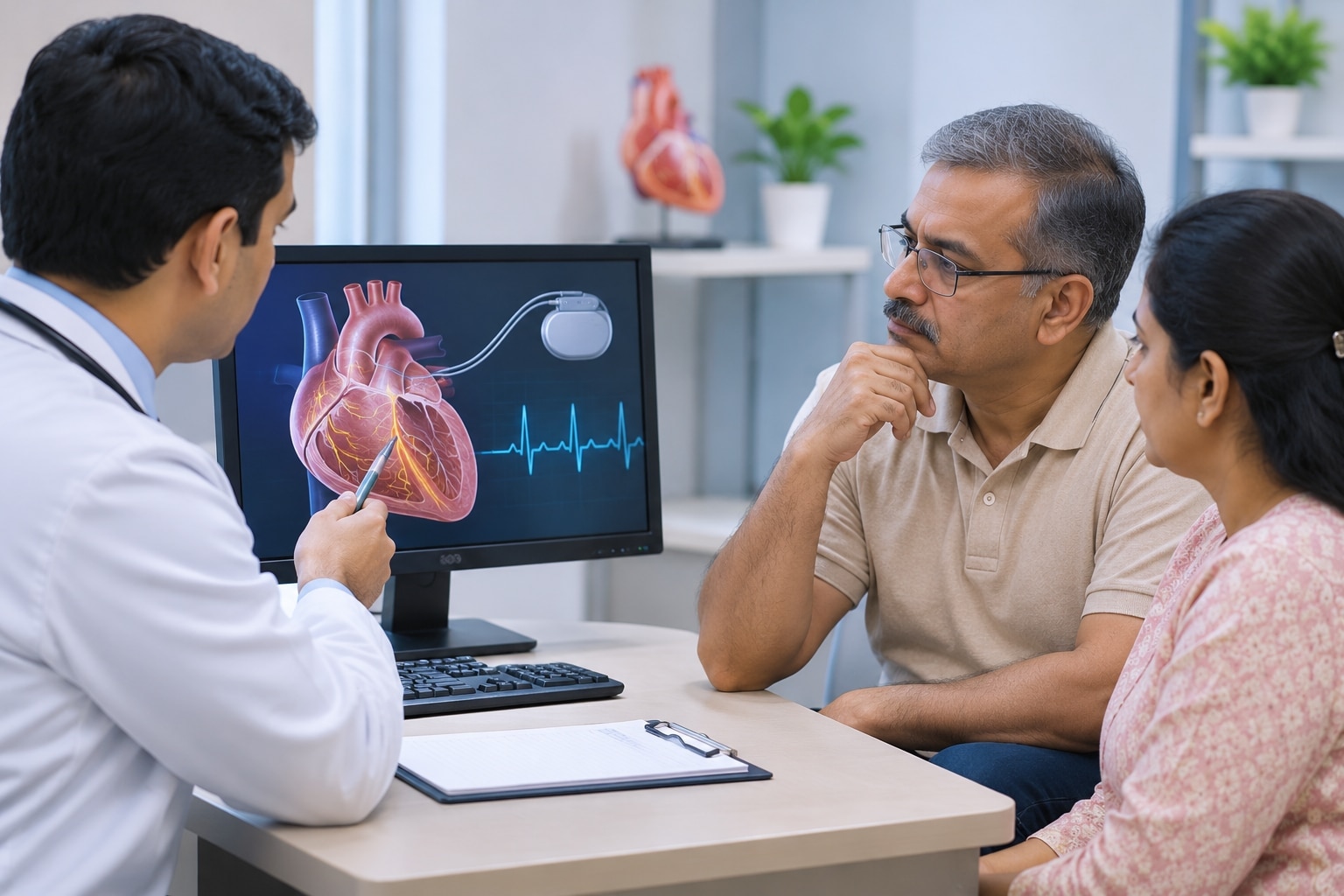
A pacemaker is a small implanted cardiac device that helps manage certain abnormal heart rhythms.
It monitors the heart's electrical activity. When necessary, it can deliver electrical impulses to help maintain an appropriate heartbeat.
Pacemakers are mainly used for specific slow-heart-rate or conduction problems. They are not a treatment for every type of palpitation or irregular heartbeat.
Signs That May Lead to Pacemaker Assessment
Possible symptoms associated with clinically significant slow heart rhythms include
- Recurrent fainting
- Near-fainting episodes
- Persistent dizziness
- Unexplained fatigue
- Reduced exercise tolerance
- Breathlessness
- Very slow pulse
- Episodes of confusion in selected patients
Symptoms alone cannot determine whether a pacemaker is needed.
The rhythm must be evaluated to establish whether there is a meaningful electrical conduction problem plus whether it explains the patient's symptoms.
Which Tests May Be Used?
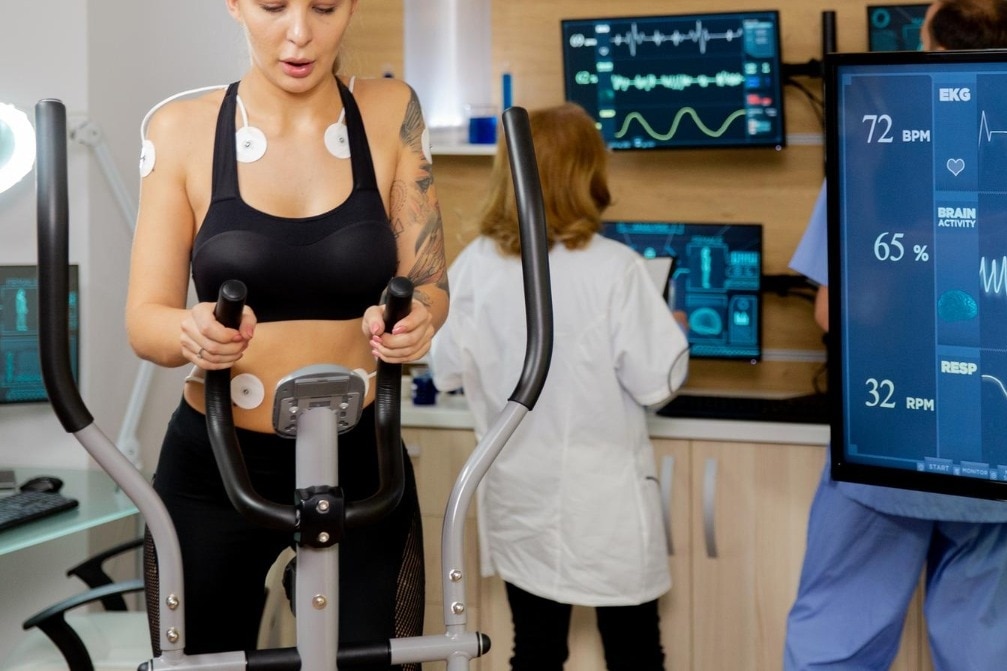
Assessment can include an ECG plus additional rhythm monitoring depending on how frequently symptoms occur.
If an abnormal rhythm appears intermittently, a short ECG performed while the patient feels well may not capture it.
The cardiologist may therefore consider longer monitoring when clinically appropriate.
Additional cardiac tests can also be used to evaluate structural heart health plus other possible causes of symptoms.
When Does a Slow Pulse Become Concerning?
A low pulse does not automatically mean someone needs a pacemaker.
Some healthy individuals naturally have lower resting heart rates. Certain medicines can also reduce heart rate.
The significance depends on
- Symptoms
- ECG findings
- Type of conduction disturbance
- Medication use
- Underlying heart disease
- Frequency of rhythm abnormalities
- Overall clinical condition
This is why pacemaker decisions require specialist assessment rather than relying on a home pulse reading alone.
What Happens During Pacemaker Implantation?
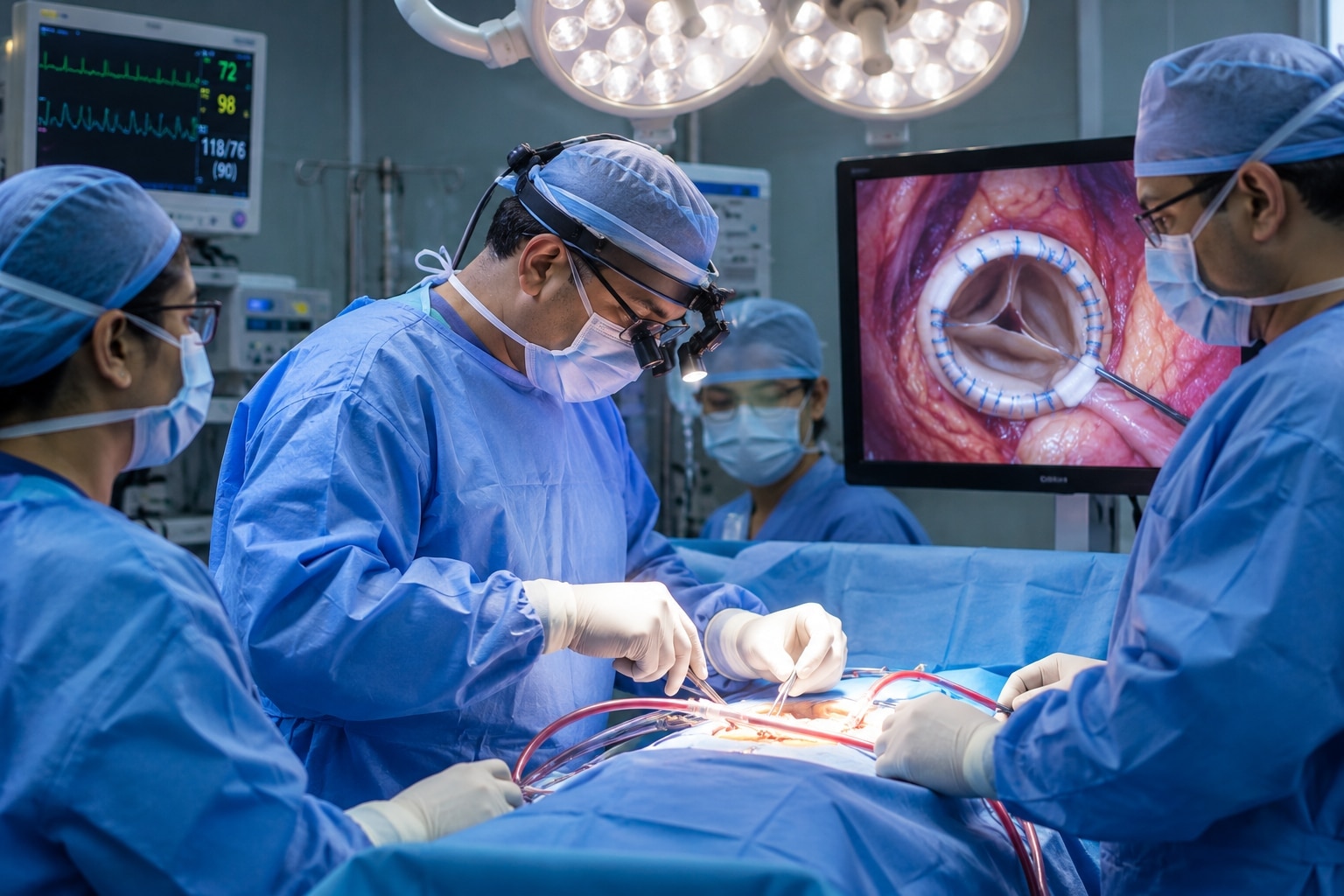
During implantation, the device is positioned beneath the skin, usually in the upper chest region. Leads are placed according to the type of pacing system required.
The exact procedure plus device selection depend on the rhythm problem plus individual cardiac needs.
After implantation, the pacemaker requires periodic checks to assess device function, battery status, plus programming.
Questions to Ask Before Implantation
Patients plus family members may want to discuss
- What rhythm problem has been detected?
- Is it responsible for my symptoms?
- Why is a pacemaker recommended?
- What type of device is suitable?
- What should I expect after implantation?
- How frequently will the device need checking?
- Are there activity precautions?
- Which symptoms require medical attention?
A clear understanding of these points is particularly helpful for senior citizens plus their caregivers.
Pacemaker Evaluation in Kothrud
At Cure Clinic, Dr. Anuja Mulay assesses patients with symptoms or test findings that may indicate cardiac rhythm abnormalities.
Previous ECGs, rhythm-monitoring reports, prescriptions, discharge summaries, plus details of fainting episodes can be valuable during consultation.
Pacemaker Implantation in Kothrud should be considered only when clinical assessment demonstrates an appropriate indication. For patients with significant slow-heart-rate or conduction problems, a pacemaker can provide necessary rhythm support. Careful diagnosis remains the essential first step because dizziness, fatigue, plus fainting can have many causes beyond the heart's electrical system.
Keywords