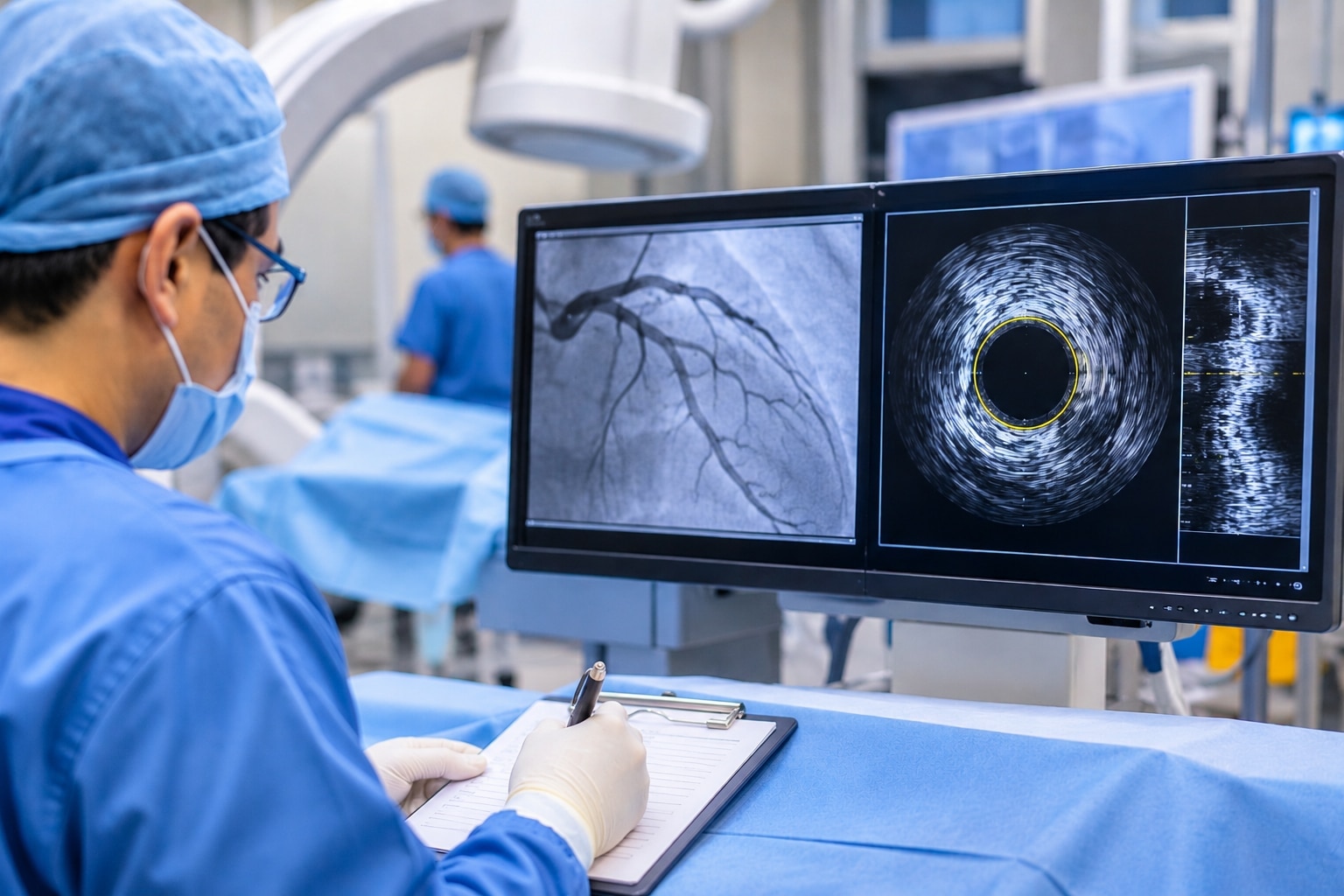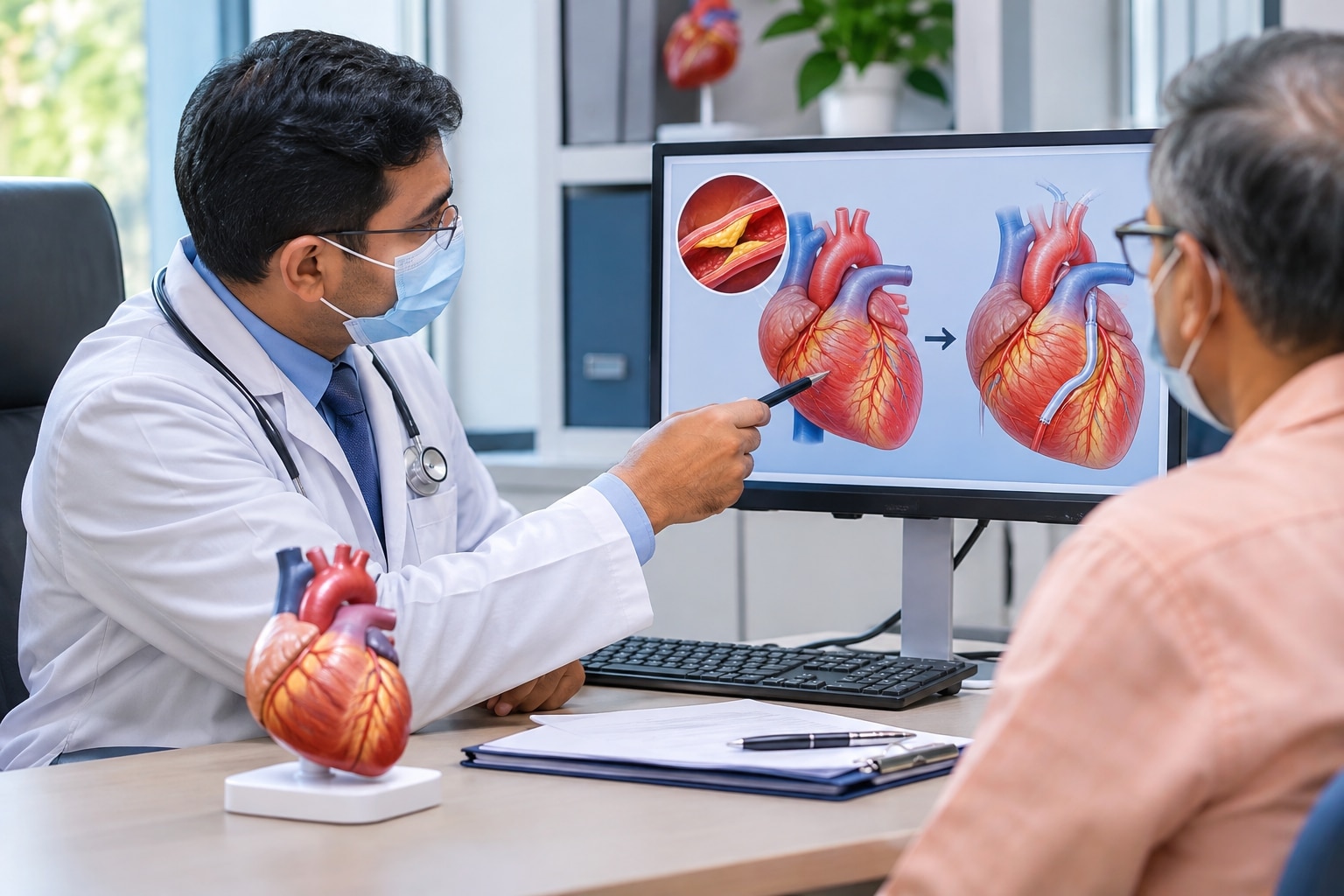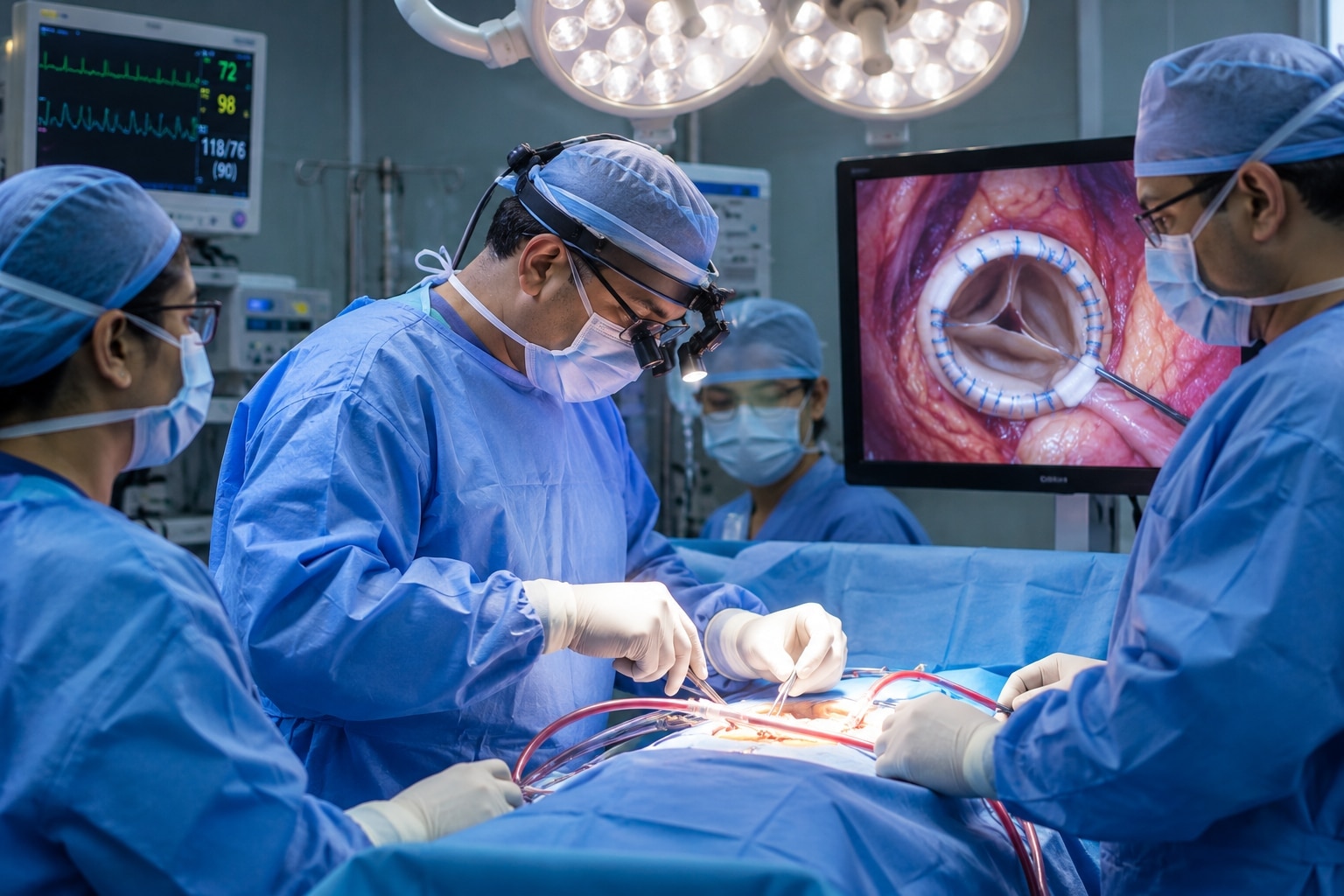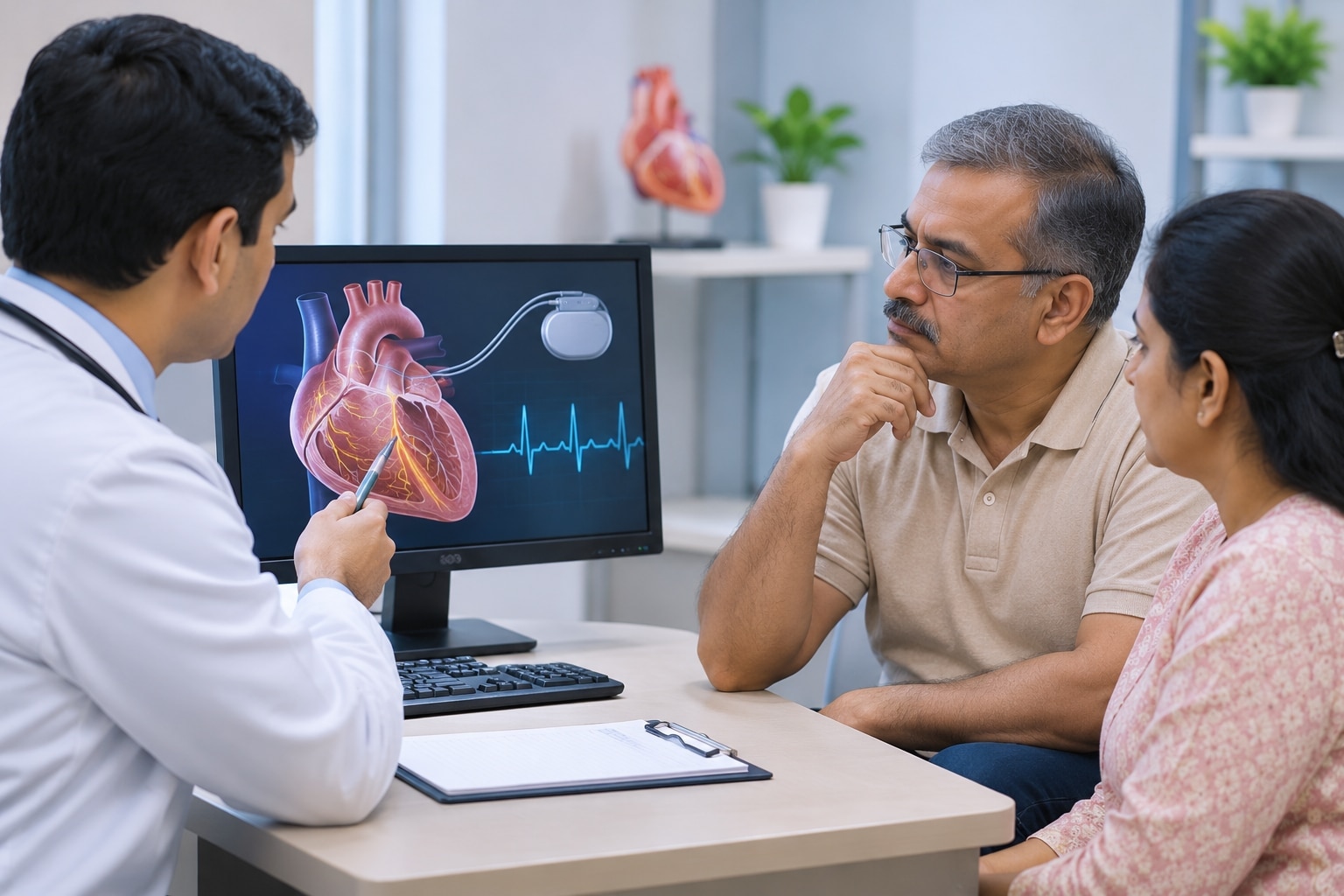
A cardiologist often needs more than symptoms alone to understand how well the heart is functioning. The 2D Echo and Colour Doppler Test is a commonly used non-invasive investigation that provides information about heart structure, pumping function, valves, plus blood-flow patterns.
For people in Kothrud undergoing evaluation for breathlessness, swelling, palpitations, heart murmurs, high blood pressure, or known cardiac disease, this test can provide valuable clinical information.
What Is a 2D Echo?
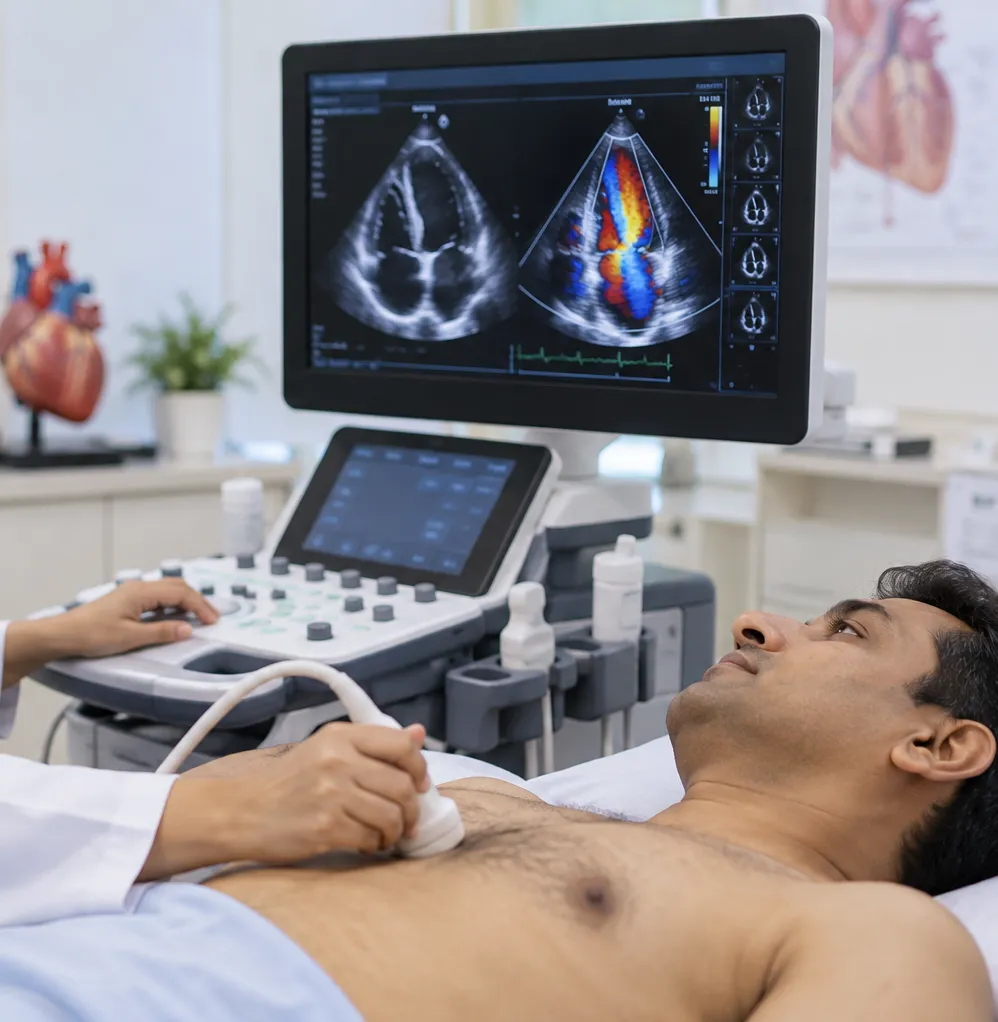
A 2D echocardiogram uses ultrasound waves to create moving images of the heart.
It allows the clinician to assess structures such as
- Heart chambers
- Heart muscle
- Heart valves
- Major nearby structures
- Overall pumping function
Because the images are produced using ultrasound rather than ionizing radiation, echocardiography is widely used across different cardiac conditions.
What Does Colour Doppler Add?
Colour Doppler provides information about the direction plus characteristics of blood flow through the heart.
It can help the clinician assess blood movement across valves while identifying certain abnormal flow patterns.
Together, 2D imaging plus Doppler assessment provide a more complete picture than structural imaging alone.
Why Might the Test Be Recommended?
A cardiologist may recommend echocardiography for several reasons.
These can include
- Unexplained breathlessness
- Suspected valve disease
- Heart murmur
- Reduced heart pumping function
- Swelling of the feet
- Certain rhythm-related concerns
- Follow-up of known heart disease
- Assessment after selected cardiac events
- Monitoring certain structural cardiac conditions
The test result needs to be interpreted alongside symptoms, examination findings, plus other investigations.
What Does Ejection Fraction Mean?
Patients often notice the term ejection fraction on an echo report.
It is one measurement used to assess how effectively the main pumping chamber of the heart ejects blood. However, cardiac function cannot always be understood from one number alone.
Valve function, chamber dimensions, wall motion, pressure estimates, plus the patient's symptoms can all contribute to interpretation.
Patients should therefore avoid drawing conclusions from isolated values before discussing the report with a clinician.
What Is the Test Experience Like?
For a standard transthoracic echocardiogram, the patient usually lies on an examination couch while a probe is moved across different areas of the chest.
Ultrasound gel is applied to improve image transmission.
The procedure is generally non-invasive. Preparation requirements can vary when specialized forms of echocardiography are planned, so patients should follow the instructions provided for their specific test.
Why Clinical Interpretation Matters
An echo report contains measurements plus technical descriptions that can be confusing without context.
A finding that sounds concerning may have different significance depending on age, symptoms, blood pressure, medical history, plus other cardiac findings.
Similarly, a largely reassuring echo does not necessarily explain every type of chest symptom.
At Cure Clinic in Kothrud, Dr. Anuja Mulay can evaluate cardiac symptoms alongside relevant test findings to determine whether additional assessment or follow-up is appropriate.
Preparing for a Cardiology Consultation
Patients can make their appointment more useful by carrying
- Previous echo reports
- ECG reports
- Current prescriptions
- Blood pressure records
- Previous hospital records
- Details of previous cardiac procedures
- Relevant blood-test reports
It also helps to describe when symptoms occur, how long they last, plus what activities seem to trigger them.
A 2D Echo and Colour Doppler Test offers important information about cardiac structure, pumping performance, valve function, plus blood-flow patterns. Its greatest value comes from interpreting those findings within the patient's complete clinical picture. For this reason, discussing the report with a cardiologist is more useful than trying to interpret individual measurements independently.
Keywords