When a coronary artery becomes significantly narrowed, blood supply to the heart muscle can be affected. Depending on the patient's symptoms, clinical condition, test results, plus artery anatomy, Angioplasty may be considered to improve blood flow.
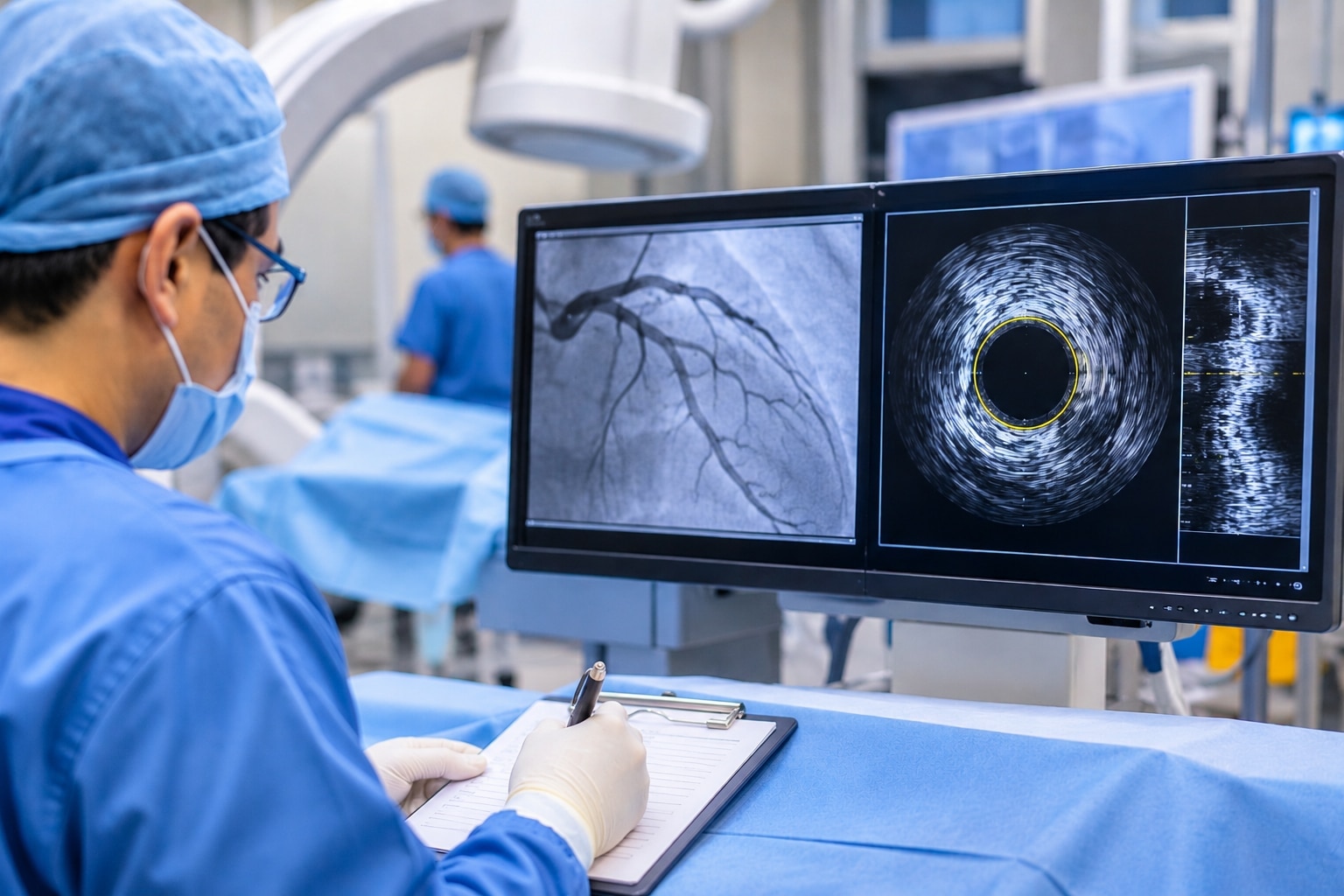
Patients in Kothrud who have recently undergone angiography may encounter this term while discussing treatment. Understanding what angioplasty is meant to achieve helps make the treatment conversation clearer.
What Happens During Angioplasty?
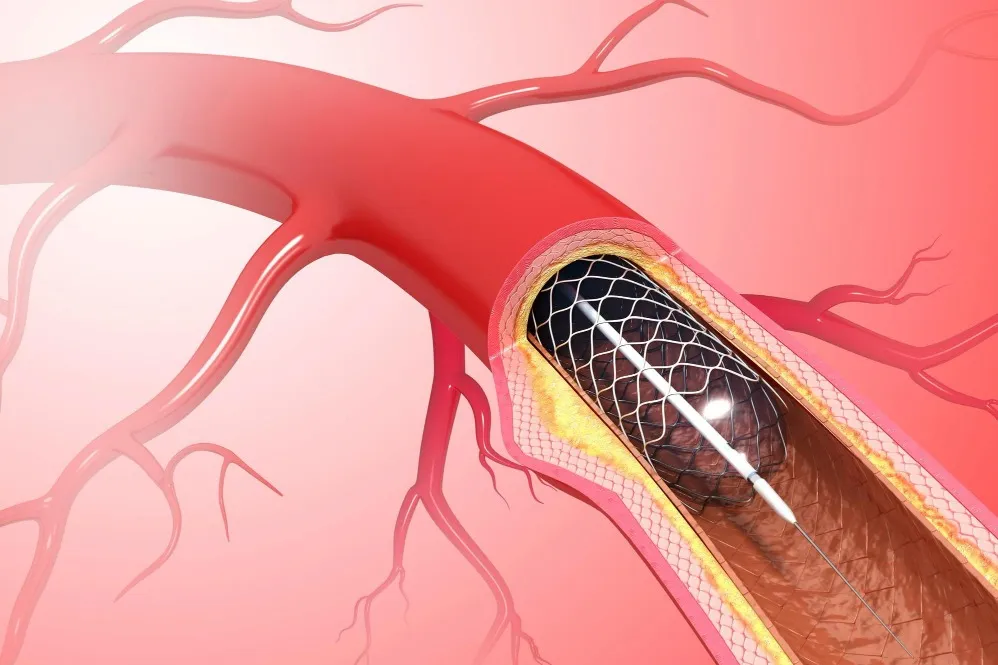
Coronary angioplasty is a catheter-based procedure used to treat selected narrowed coronary arteries.
A catheter is guided through a blood vessel toward the coronary circulation. A small balloon can be positioned at the narrowed area, then expanded to help open the vessel.
In many cases, a stent is placed at the treated site. The stent acts as a small scaffold that helps keep the artery open.
The exact technique varies depending on the artery, lesion complexity, plus individual clinical circumstances.
When Is Angioplasty Considered?
Not every coronary blockage requires angioplasty.
A cardiologist considers several factors, including
- Severity of narrowing
- Location of the lesion
- Symptoms
- Evidence of reduced blood flow
- Number of affected arteries
- Heart function
- Other medical conditions
- Previous cardiac procedures
- Overall coronary anatomy
Some patients may be managed with medication plus risk-factor control. Others may require angioplasty. Certain patterns of coronary disease may lead to consideration of bypass surgery.
This is why treatment should not be determined solely from a percentage written on an angiography report.
What Is the Role of a Stent?
A coronary stent is a small mesh-like device placed within a treated artery.
Modern stents are designed to support the artery after angioplasty. Following stent placement, patients commonly require specific antiplatelet medicines according to their cardiologist's prescription.
Medication adherence is particularly important after a coronary intervention. Patients should never stop prescribed antiplatelet treatment without discussing it with the treating cardiologist.
What Happens After Angioplasty?
Recovery depends on the clinical situation plus complexity of the procedure.
The healthcare team monitors vital signs, catheter access site, symptoms, plus general recovery. Before discharge, patients typically receive instructions concerning medication, activity, wound care, follow-up, plus cardiac risk reduction.
Long-term care remains important because angioplasty treats a specific narrowing; it does not remove the underlying tendency toward coronary artery disease.
Life After a Coronary Procedure
Long-term management may include attention to
- Blood pressure
- Cholesterol
- Blood glucose
- Tobacco exposure
- Physical activity
- Body weight
- Diet
- Prescribed medication
- Follow-up cardiac assessment
Lifestyle changes should be individualized according to the patient's cardiac status rather than started aggressively without appropriate medical guidance.
What Should Families Understand?
Family members often assume that successful angioplasty means the heart problem has been permanently resolved.
A more useful perspective is that the procedure treats an important coronary narrowing while ongoing medical care addresses the broader cardiovascular risk.
Families can support recovery by helping patients follow medication schedules, attend follow-up visits, maintain recommended lifestyle changes, plus seek timely medical attention when concerning symptoms appear.
Seeking Evaluation in Kothrud
At Cure Clinic in Kothrud, Dr. Anuja Mulay evaluates patients with suspected or established cardiac disease to help determine appropriate investigation, treatment, plus follow-up.
Patients who have already undergone angiography should bring the report, images when available, medication details, plus previous cardiac records to their consultation.
Angioplasty can play an important role in restoring blood flow through selected narrowed coronary arteries. However, the decision requires careful assessment of symptoms, test findings, anatomy, plus overall health. Understanding this wider context helps patients see angioplasty not as an isolated procedure but as one component of comprehensive coronary care.
Keywords