Finding multiple coronary artery blockages can leave patients unsure about the next step. Some expect every blockage to be treated with angioplasty, while others assume that several narrowed arteries automatically mean surgery.
In practice, decisions about Bypass Surgery (CABG) depend on coronary anatomy, disease complexity, symptoms, heart function, plus the patient's overall medical condition.
What Is CABG?
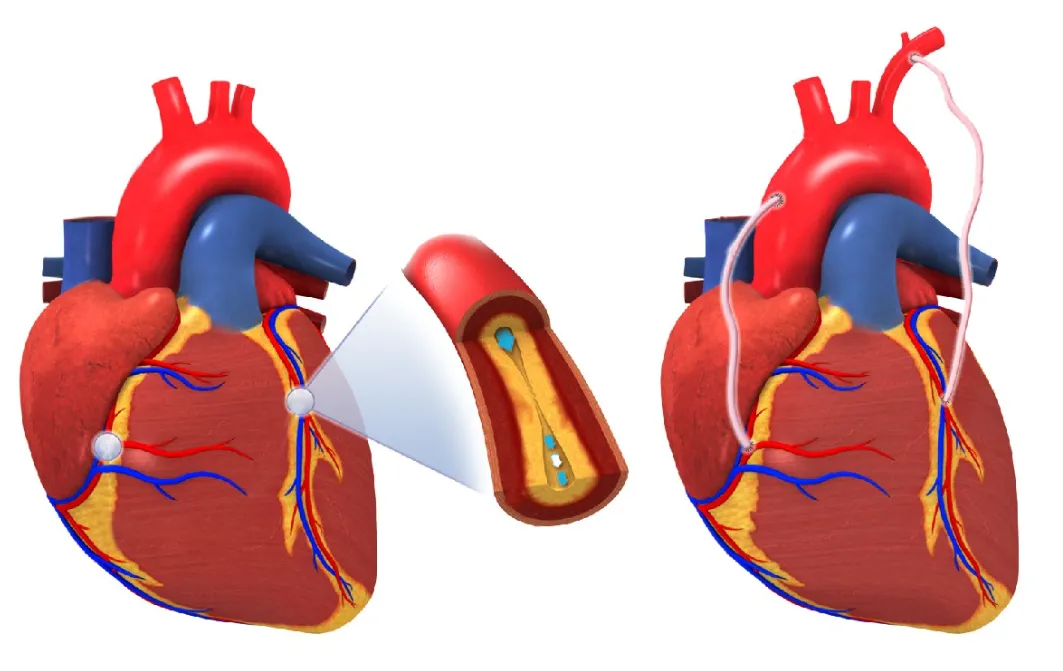
CABG stands for coronary artery bypass grafting.
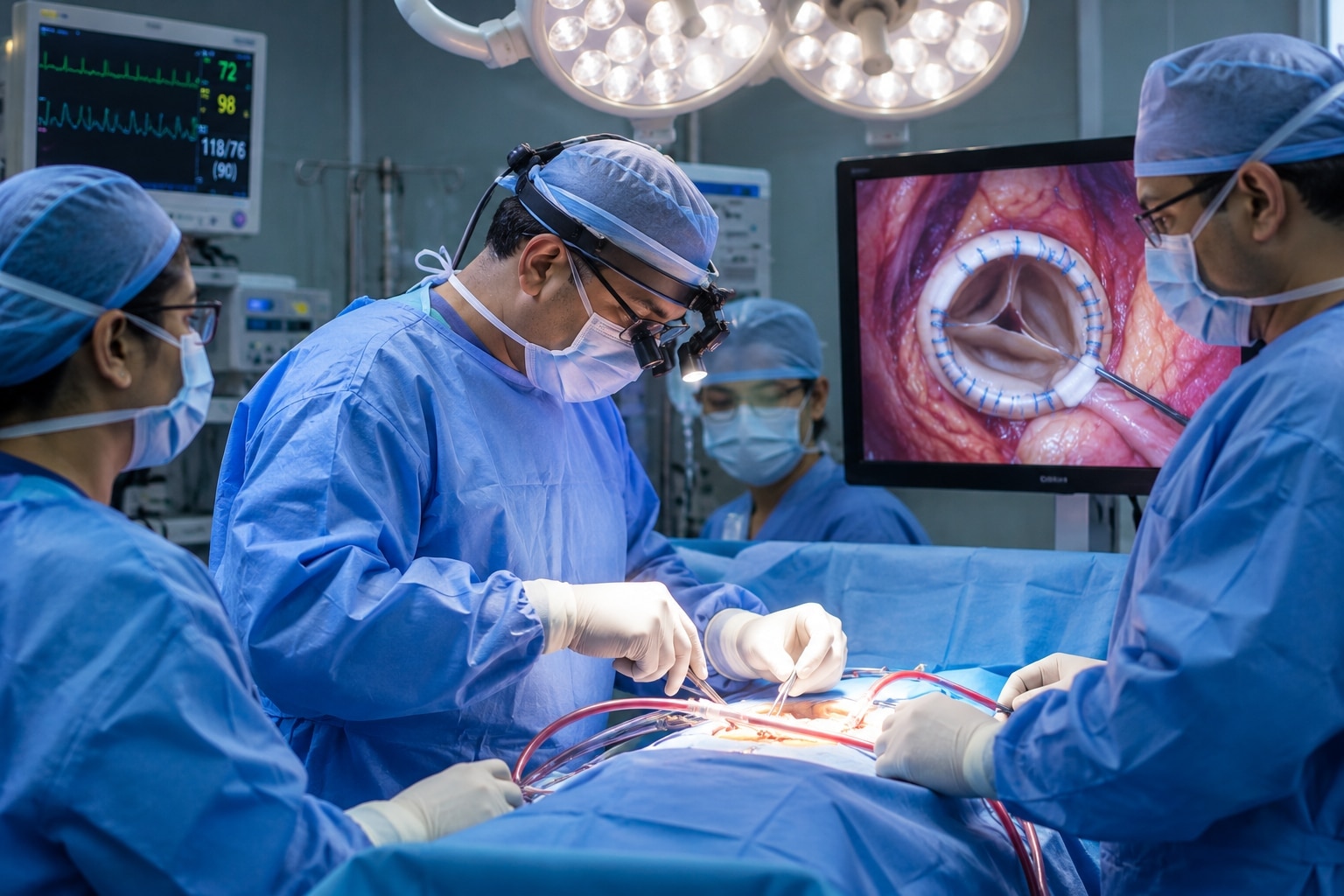
During the procedure, surgeons create alternative pathways for blood to reach areas of heart muscle beyond significantly narrowed coronary arteries. Blood vessels used as grafts provide routes around the diseased segments.
The purpose is to improve blood supply to the heart muscle in patients whose coronary disease is suitable for surgical revascularization.
Why Might CABG Be Considered?
A cardiology team may consider bypass surgery in selected patterns of coronary disease, particularly when anatomy makes surgical treatment appropriate.
Factors can include
- Number of diseased coronary arteries
- Location of significant narrowing
- Complexity of lesions
- Involvement of important coronary segments
- Diabetes in relevant clinical settings
- Heart pumping function
- Previous coronary procedures
- Expected completeness of revascularization
- Overall health
This is why treatment planning cannot be based solely on the number of blockages mentioned in a report.
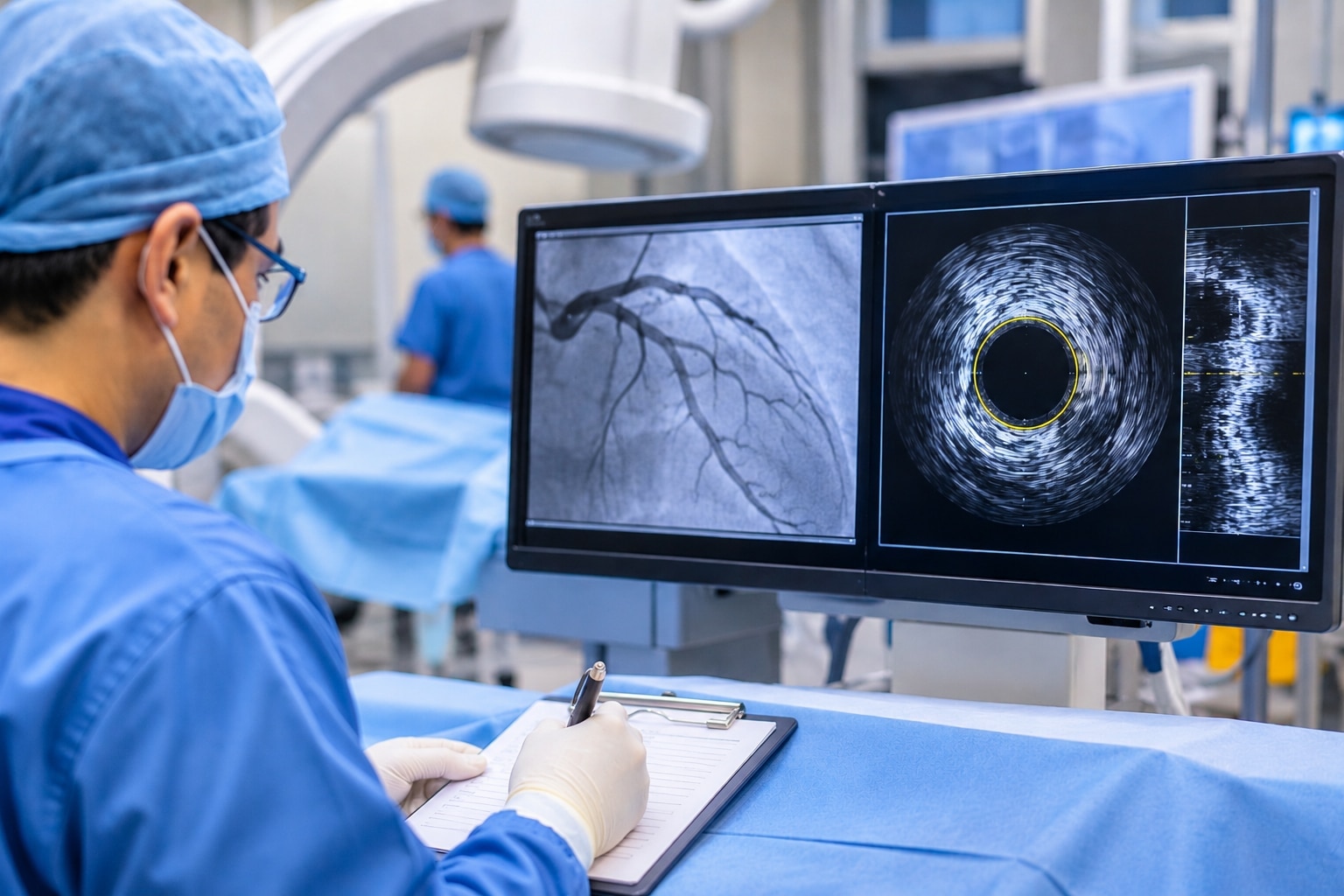
Why Angiography Images Matter
The detailed pattern of coronary disease can be more important than a simplified percentage.
Two patients may both be told they have significant blockages, yet the distribution plus complexity of disease can be very different.
Reviewing angiography findings helps clinicians assess which treatment strategy is more suitable.
In complex cases, decisions may involve input from multiple cardiac specialists so that different treatment approaches can be considered in context.
What Should Patients Consider Before CABG?
A thoughtful pre-treatment discussion should address
- Why surgery is being recommended
- Expected treatment goals
- Heart pumping function
- Other medical conditions
- Current medicines
- Previous cardiac interventions
- Expected hospital recovery
- Rehabilitation
- Long-term cardiac risk management
Patients should disclose diabetes, kidney disease, lung problems, previous stroke, medication allergies, plus any previous major surgery.
What Happens After Bypass Surgery?
Recovery continues beyond hospital discharge.
Patients may gradually return to physical activity according to medical guidance. Follow-up focuses on healing, symptoms, medications, plus cardiovascular risk reduction.
Long-term management can involve
- Cholesterol control
- Blood pressure management
- Diabetes management
- Tobacco cessation
- Appropriate physical activity
- Heart-supportive dietary habits
- Medication adherence
- Scheduled cardiac follow-up
CABG creates new pathways for blood flow, but long-term cardiovascular care remains necessary.
Why Second-Stage Evaluation Can Be Helpful
Patients who have undergone angiography elsewhere may seek further explanation before deciding on a major procedure.
A consultation can help clarify what the angiogram shows, why a particular treatment has been suggested, plus which questions should be discussed with the treating cardiac team.
At Cure Clinic in Kothrud, Dr. Anuja Mulay evaluates cardiac history, symptoms, existing reports, plus relevant investigations when guiding patients through coronary disease assessment.
Bringing angiography images rather than only a written summary can be useful when available.
Making an Informed Decision
Patients should avoid choosing a cardiac procedure based on fear, assumptions, or comparisons with someone else's experience.
Coronary anatomy differs from person to person. Treatment suitable for a relative or neighbour may not be appropriate for another patient.
Bypass Surgery (CABG) is an established treatment for selected forms of significant coronary artery disease. The key question is not simply whether coronary blockages exist but whether surgical revascularization represents an appropriate strategy for that individual's anatomy, symptoms, heart function, plus broader health profile.
Keywords