Chest pain can have several possible causes, and not every patient with chest discomfort needs Angiography. The appropriate investigation depends on the nature of the symptoms, cardiovascular risk factors, examination findings and results of earlier tests.
Understanding where coronary angiography fits into cardiac evaluation can make the diagnostic process easier for patients to follow.
At Cure Clinic, Dr. Anuja Mulay can assess cardiac symptoms and determine whether non-invasive testing is sufficient or whether more detailed evaluation of the coronary arteries should be considered.
What Coronary Angiography Examines
Coronary angiography is designed to examine the arteries supplying blood to the heart muscle.
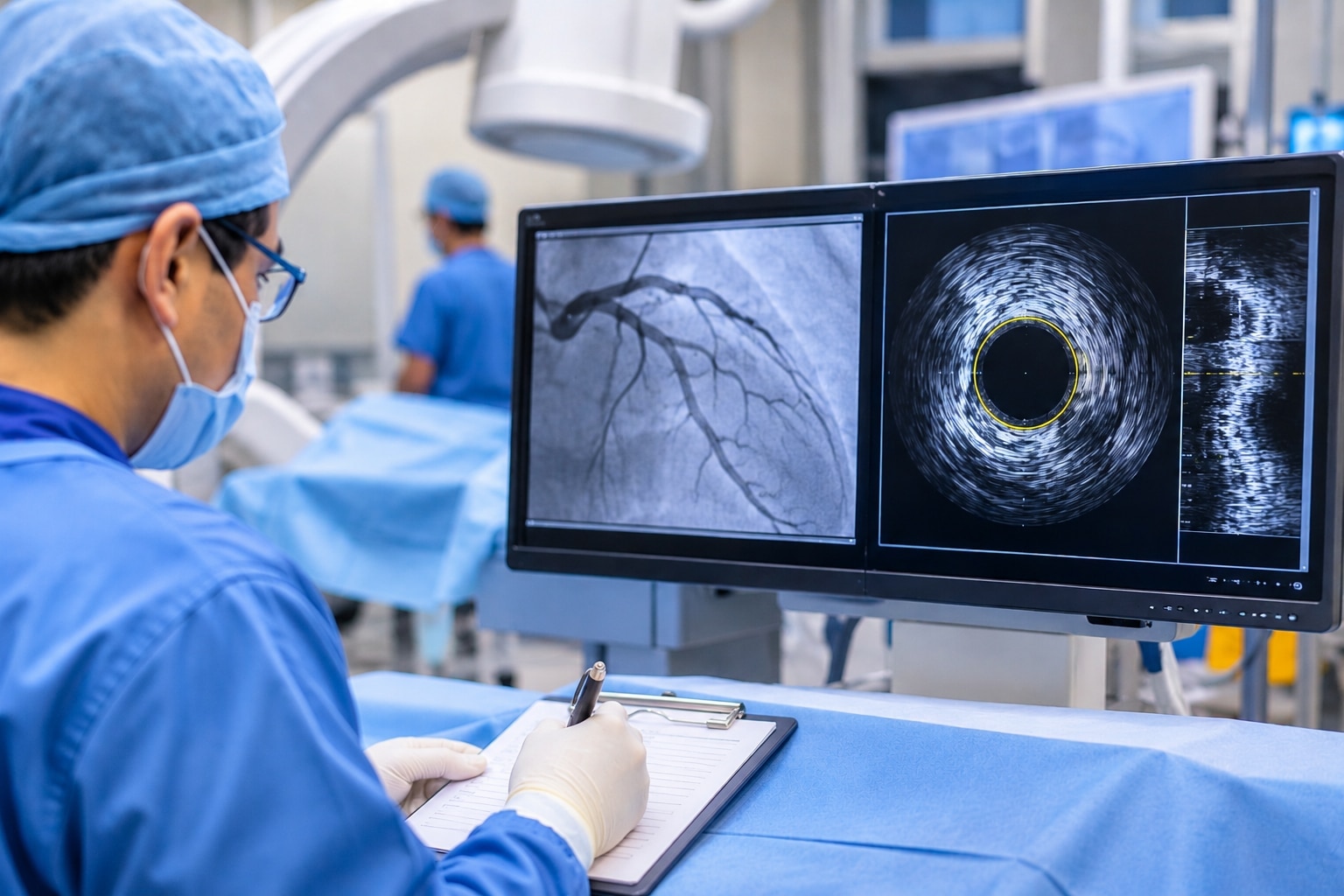
During the procedure, a catheter is introduced through an artery, commonly through the wrist or groin, and guided towards the heart. Contrast material allows the coronary arteries to appear on X-ray imaging.
This can reveal narrowing or blockages and help the treating team determine an appropriate management strategy.
How It Differs From Other Common Tests
Cardiac investigations answer different questions.
An ECG records electrical activity and can help identify rhythm abnormalities and certain cardiac changes.
A 2D Echo examines heart structure, pumping function and valves.
A TMT assesses the heart's response during physical exertion.
Coronary angiography directly visualises the coronary artery lumen using contrast and X-ray imaging.
This means there is no single test that automatically replaces all the others.
When Angiography May Enter the Discussion
A cardiologist may consider coronary angiography when symptoms, risk factors and other findings raise sufficient concern about clinically important coronary artery disease.
The decision can be influenced by factors such as:
- Characteristics of chest pain
- Previous cardiac events
- Abnormal investigation findings
- Diabetes and other cardiovascular risk factors
- Severity and frequency of symptoms
- Response to existing treatment
- Overall clinical risk
The purpose is to obtain information that can meaningfully influence treatment decisions.
What Happens After an Angiogram
The next step depends on what the investigation shows.
Some patients may have no significant obstructive disease and may continue with medical management and risk-factor control.
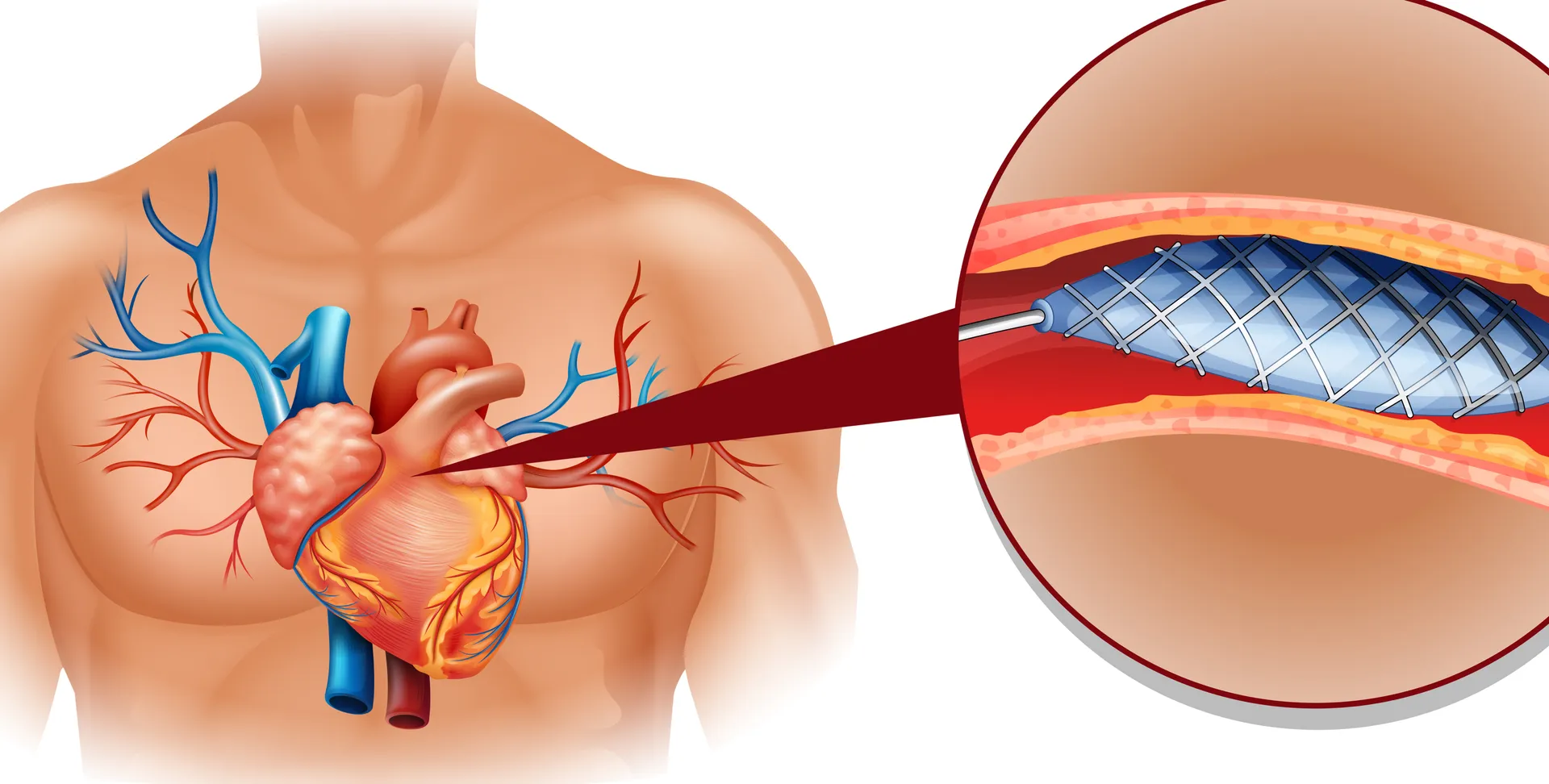
If important narrowing is identified, treatment options can include medication, angioplasty with stenting or, in selected cases, coronary artery bypass surgery.
The anatomy of the coronary arteries, number and location of affected vessels, symptoms and overall medical condition influence these decisions.
Angiography therefore does not automatically mean that a stent will be required.
Questions Worth Asking Before the Procedure
Patients can have a more informed discussion by asking:
- Why is angiography being recommended?
- What did my earlier tests show?
- What information will the procedure provide?
- Are there specific preparation instructions?
- How should my regular medicines be managed?
- What treatment options may be considered depending on the result?
Medication changes should be made only according to instructions from the treating medical team.
Making an Informed Decision
For someone experiencing recurring chest discomfort in Kothrud or elsewhere in Pune, the first priority is appropriate clinical assessment rather than choosing a diagnostic procedure independently.
Dr. Anuja Mulay at Cure Clinic can evaluate the pattern of symptoms, cardiovascular risk and existing reports to determine whether Angiography should be considered as part of further cardiac evaluation.
The right investigation is the one that answers the relevant clinical question and helps guide the next treatment decision.
Keywords