Hearing that a pacemaker may be required often raises immediate concerns about surgery, daily activities and long-term dependence on a device. Understanding why Pacemaker Implantation is recommended can make the decision easier to discuss with a cardiologist.
A pacemaker is designed to help manage selected problems involving the heart's electrical system, particularly when the heart beats too slowly or electrical signals do not travel normally.
At Cure Clinic, Dr. Anuja Mulay can evaluate symptoms, ECG findings and relevant cardiac investigations before discussing whether device-based treatment should be considered.
Signs That Can Lead to Rhythm Evaluation
A slow or abnormal rhythm may cause symptoms such as:
- Dizziness
- Fainting
- Unexplained weakness
- Fatigue
- Breathlessness
- Reduced exercise tolerance
- Episodes of light-headedness
These symptoms can have many possible causes. Their presence does not automatically mean that a pacemaker is needed.
The key is establishing whether symptoms correspond with a clinically significant rhythm or conduction problem.
What a Pacemaker Actually Does
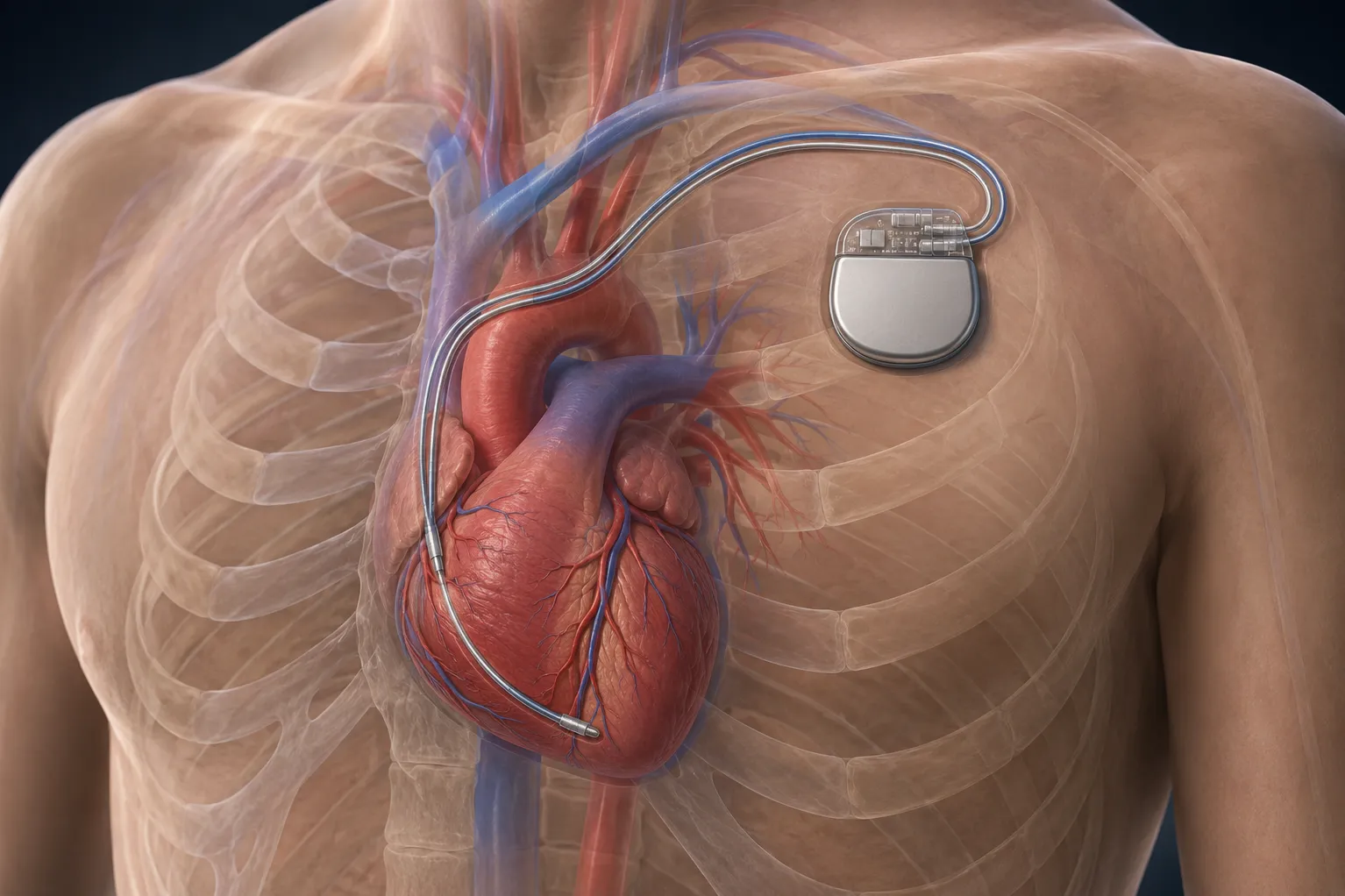
A pacemaker is a small electronic device that helps regulate the heartbeat when the heart's natural electrical system is not maintaining an appropriate rhythm.
The system generally includes a pulse generator and leads, although device configurations vary according to the condition being treated.
Pacemakers are not identical to implantable cardioverter defibrillators. The devices have different functions and indications.
How Doctors Decide Whether a Pacemaker Is Needed
The decision usually depends on more than one test.
A cardiologist may consider:
- The type of rhythm abnormality
- Severity and frequency of symptoms
- ECG findings
- Results from longer rhythm monitoring when relevant
- Current medications
- Existing structural heart disease
- Whether reversible causes are present
This evaluation helps determine whether symptoms are sufficiently linked to the electrical abnormality to justify device treatment.
Questions to Ask Before Implantation
Patients preparing for a pacemaker discussion can ask which rhythm problem has been identified and why a device is being recommended.
It is also useful to understand the type of pacemaker planned, expected follow-up, wound-care instructions, activity restrictions during recovery and how the device will be monitored.
People should provide their cardiology team with a complete medication list and information about other medical conditions before the procedure.
Life After Pacemaker Placement
Pacemaker care continues beyond implantation.
Follow-up checks allow the medical team to assess device function and make programming adjustments when required. Patients are also given specific instructions about recovery and precautions.
The presence of a pacemaker does not replace management of other cardiovascular conditions such as hypertension, coronary artery disease or heart failure when these are present.
Preparing for Pacemaker Care
Patients in Kothrud and nearby areas of Pune who have been advised to consider Pacemaker Implantation should understand the rhythm diagnosis and the reason the device has been proposed.
Dr. Anuja Mulay at Cure Clinic can review symptoms and available cardiac reports and discuss whether further rhythm assessment or device treatment is appropriate.
The decision should be based on the patient's documented electrical heart problem, symptoms and overall clinical circumstances rather than on symptoms alone.
Keywords