Being advised to consider Valve Replacement Surgery is a significant stage in cardiac care. Patients often want to know why intervention is necessary, whether the timing is right and what investigations are needed before treatment.
Heart valve disease can range from mild abnormalities requiring observation to severe disease that significantly affects blood flow and cardiac function. The treatment pathway therefore needs to be based on severity, symptoms and the effect of the valve problem on the heart.
At Cure Clinic, Dr. Anuja Mulay can evaluate cardiac reports and help patients understand the findings that may influence further valve treatment planning.
Understand Which Valve Is Affected
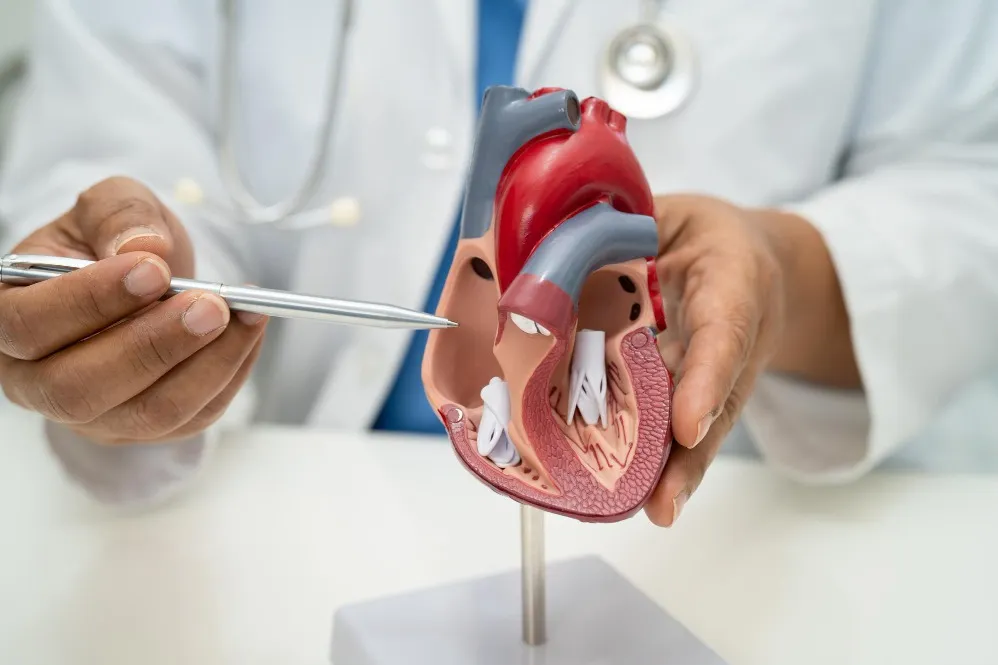
The heart contains four valves, and different valve disorders can create different haemodynamic effects.
Patients should know:
- Which valve is affected
- Whether it is narrowed, leaking or has another abnormality
- How severe the problem is
- Whether heart function has been affected
- Whether symptoms are consistent with the valve findings
Having this information makes subsequent treatment discussions much clearer.
Symptoms Can Influence Timing
Significant valve disease may be associated with breathlessness, reduced exercise tolerance, fatigue, dizziness, fainting, palpitations or swelling.
However, symptoms are only one part of the decision.
Some patients may adapt their activities gradually and fail to notice how much their functional capacity has changed. Cardiac imaging and clinical evaluation therefore remain important even when symptoms appear manageable.
Tests Before Valve Intervention
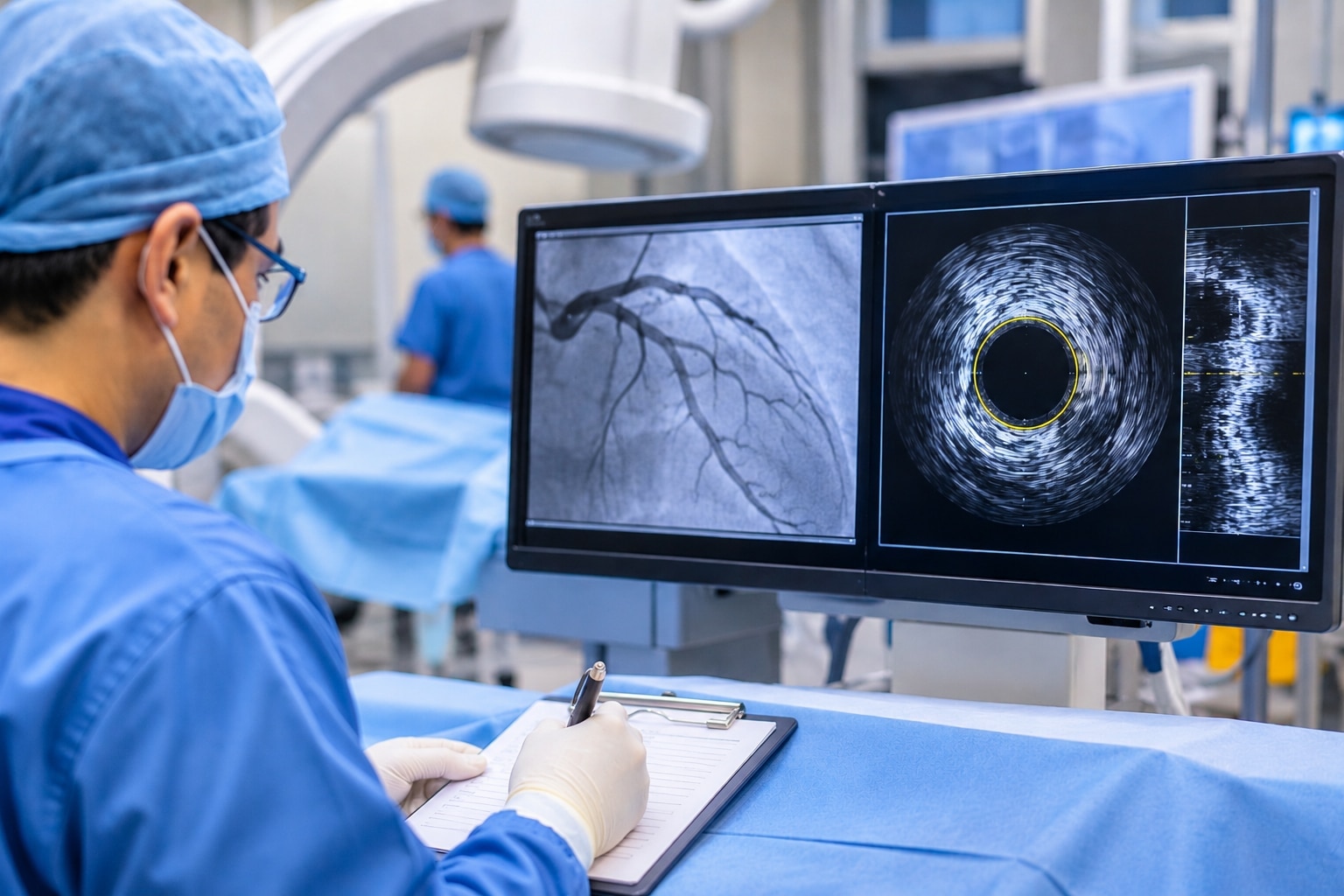
A detailed echocardiogram is commonly central to valve assessment because it can provide information about valve anatomy, blood flow and heart function.
Depending on the condition and planned intervention, additional testing may be required.
The treating heart team may need to evaluate coronary arteries, cardiac chamber dimensions, ventricular function and other anatomical factors before deciding on the most appropriate procedure.
Surgical and Catheter-Based Options
Modern valve care is not limited to one approach.
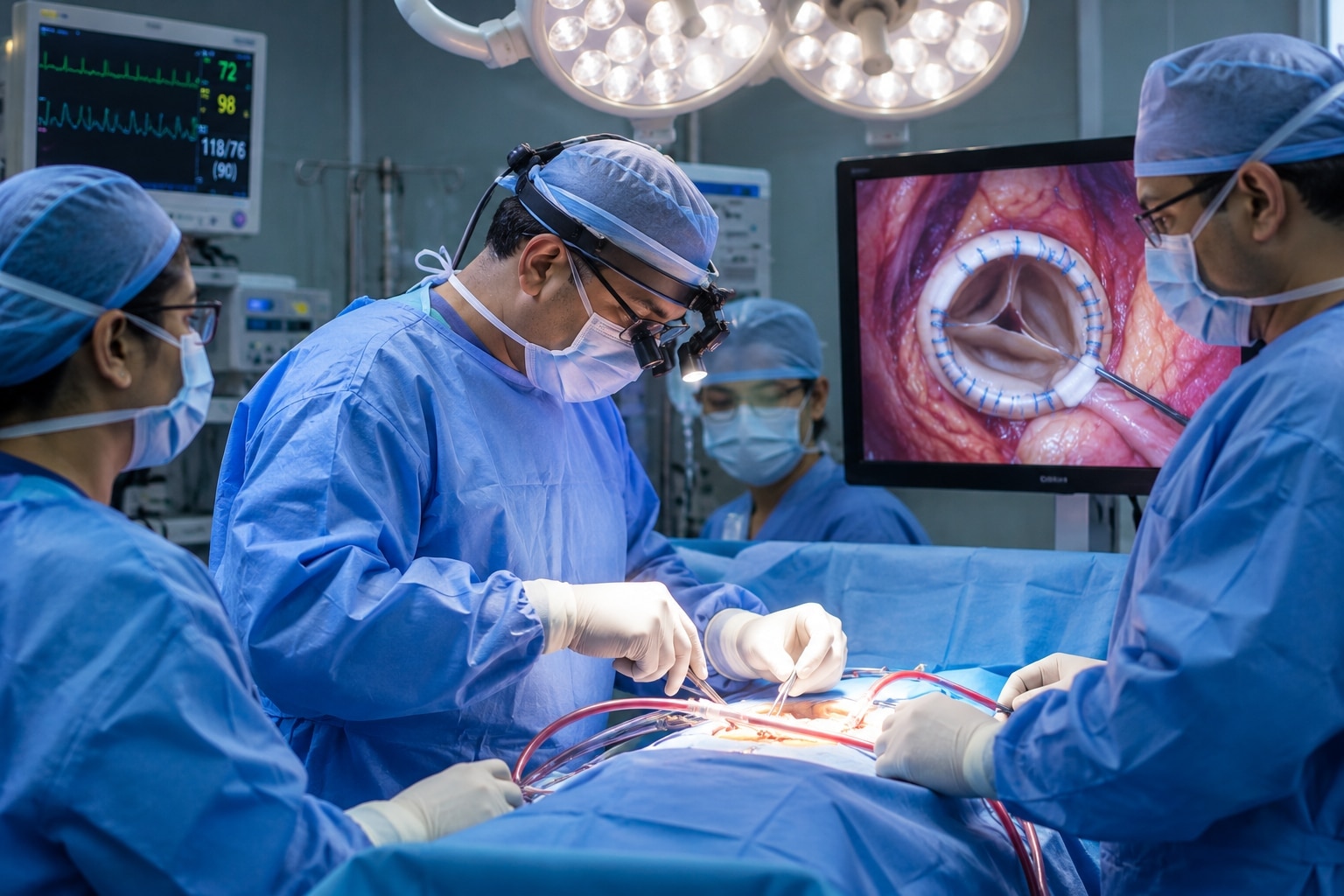
Traditional surgical valve replacement remains important for many patients. Catheter-based valve procedures may also be considered for selected conditions and patient profiles.
The appropriate approach depends on the valve involved, anatomy, age, medical history, procedural risk and other clinical factors.
Patients should avoid assuming that the least invasive procedure is automatically the most appropriate. The goal is to select an intervention suited to the individual clinical situation.
A Practical Readiness Checklist
Before proceeding, patients should be able to answer several basic questions:
- What is my exact valve diagnosis?
- How severe is it?
- Why is intervention being recommended now?
- Which procedure is being considered?
- What investigations remain pending?
- What medicines need specific instructions?
- What should I expect during recovery?
- What follow-up will be needed afterward?
These questions can make discussions with the cardiac team more productive.
Planning Valve Care
For patients in Kothrud and nearby parts of Pune who have been advised to consider Valve Replacement Surgery, reviewing the diagnosis carefully can help clarify the treatment pathway.
Dr. Anuja Mulay at Cure Clinic can assess symptoms and existing investigations and explain how findings such as valve severity and heart function fit into the overall clinical picture.
Valve intervention is an individual medical decision. Clear evaluation before treatment helps patients understand not only what procedure is being considered, but why it has become appropriate at that stage.
Keywords