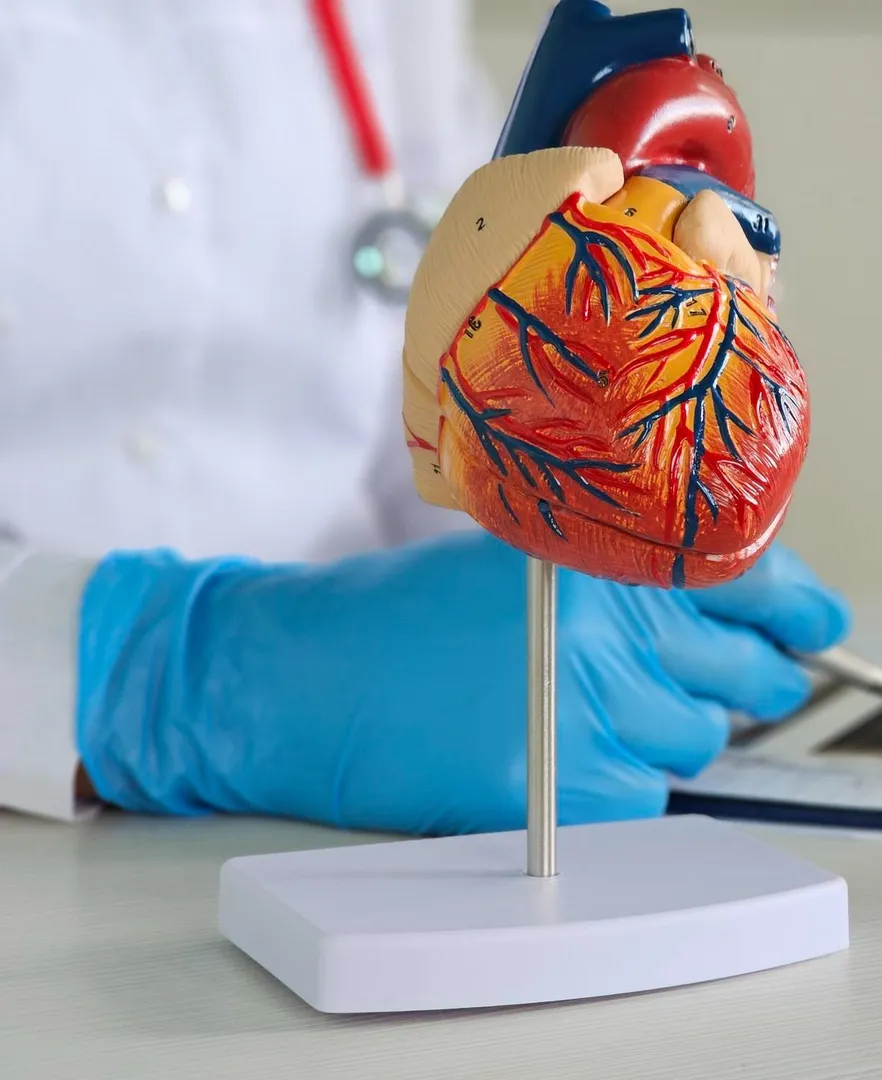
Structural heart disease refers to problems involving the physical structures of the heart, including valves, chambers, walls, plus certain connections within the heart. Some structural conditions are present from birth, while others develop later due to age, disease, degeneration, or previous cardiac damage.
Understanding Structural Heart Disease Treatment begins with recognizing that treatment depends heavily on the specific structure affected plus the severity of its impact on heart function.
Symptoms Can Develop Gradually
Structural heart conditions do not always produce dramatic symptoms at first.
Possible signs include
- Breathlessness during activity
- Reduced exercise tolerance
- Unusual fatigue
- Swelling around the feet
- Palpitations
- Dizziness
- Fainting
- Chest discomfort in selected conditions
Older adults may unintentionally reduce their daily activity as symptoms develop. As a result, declining exercise capacity can sometimes be mistaken simply for ageing.
A meaningful change in functional capacity deserves medical attention.
Heart Valve Problems Are an Important Category
The heart contains valves that maintain appropriate blood flow between chambers.
A valve may become narrowed, known as stenosis, or fail to close effectively, leading to leakage known as regurgitation.
The significance of valve disease depends on factors such as
- Which valve is affected
- Severity of the problem
- Symptoms
- Heart chamber changes
- Pumping function
- Pressure changes
- General health
Mild valve abnormalities may only need monitoring, while severe disease can require procedural treatment.
How Is Structural Heart Disease Evaluated?
Evaluation usually begins with a detailed clinical history plus examination.
Depending on the suspected condition, investigations can include
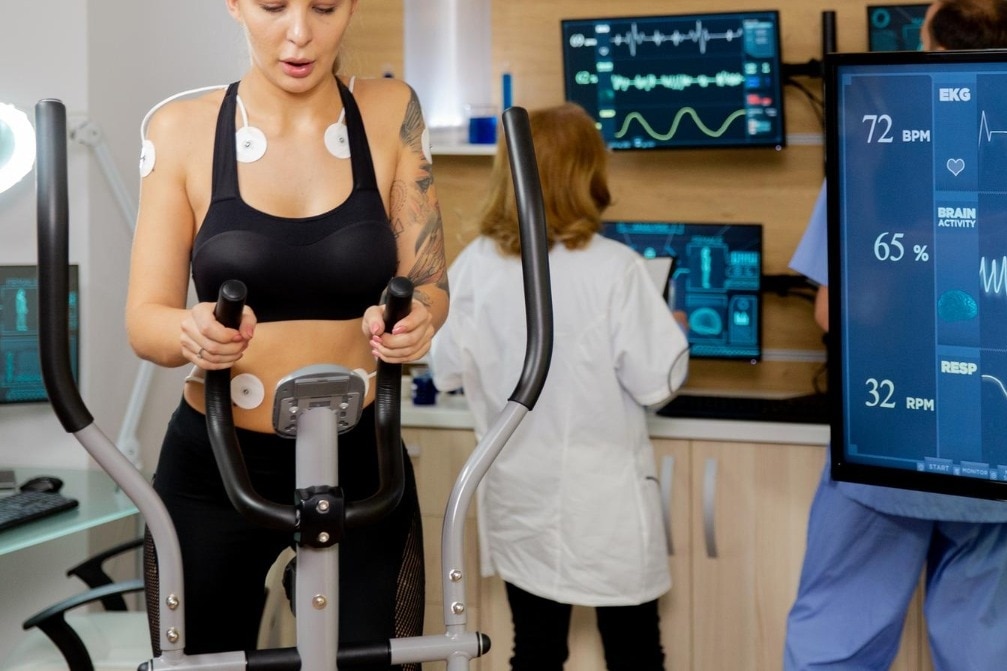
- ECG
- Echocardiography
- Colour Doppler assessment
- Advanced cardiac imaging
- Blood tests
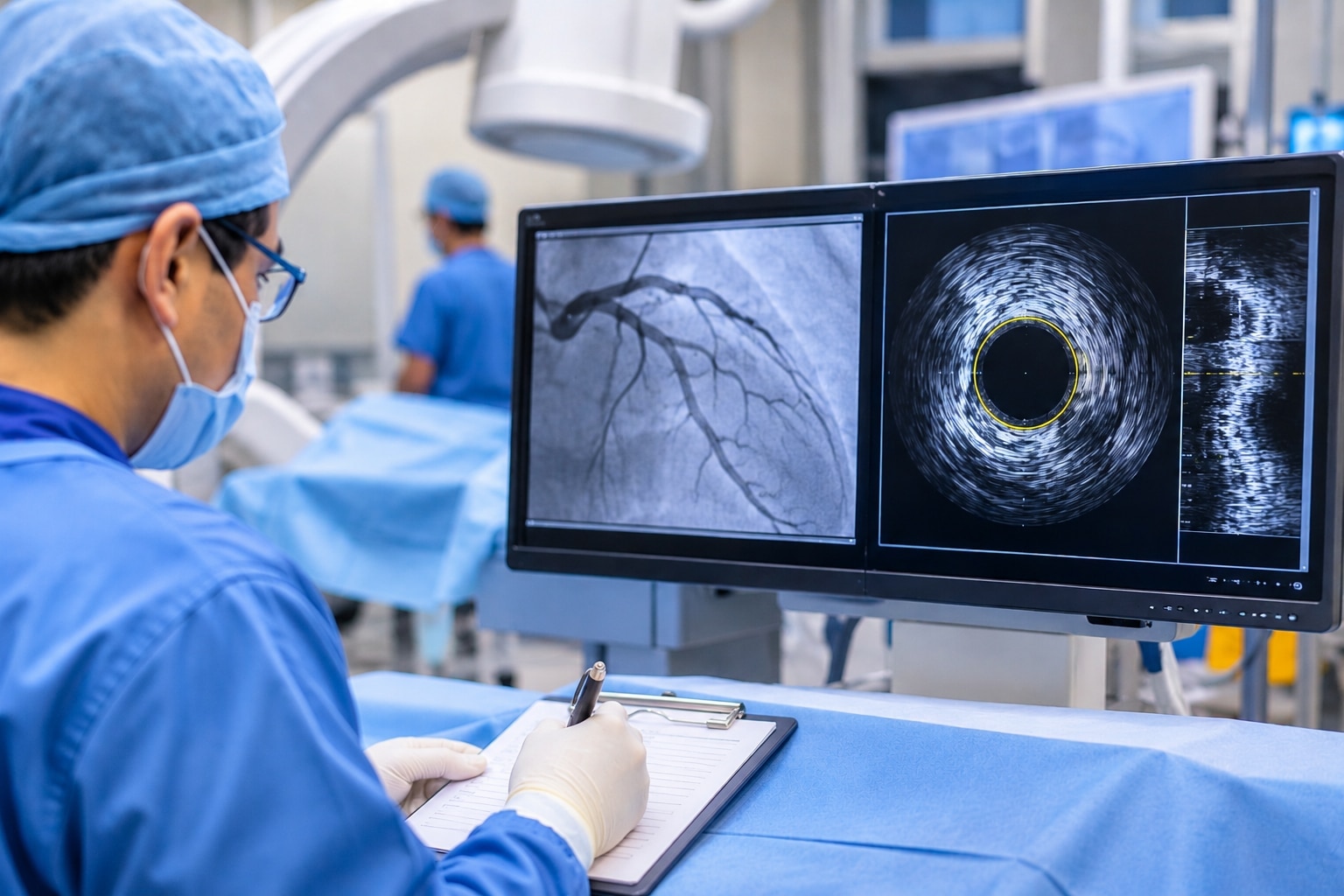
- Catheter-based evaluation in selected cases
Echocardiography is particularly important because it can provide information about valve movement, chamber dimensions, pumping function, plus abnormal blood-flow patterns.
Treatment Is Not Identical for Every Patient
One of the most important considerations is that a structural abnormality on a report does not automatically determine treatment.
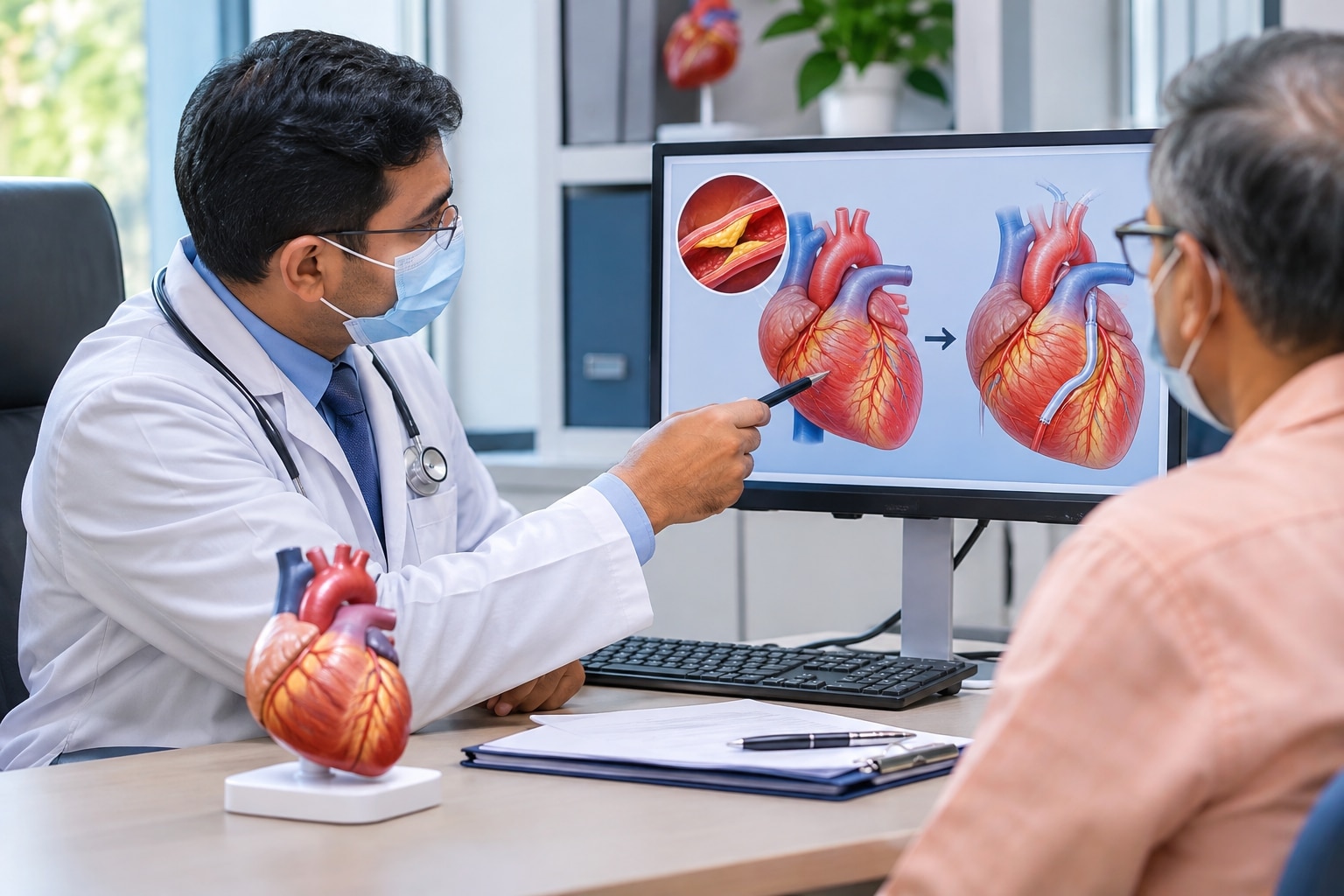
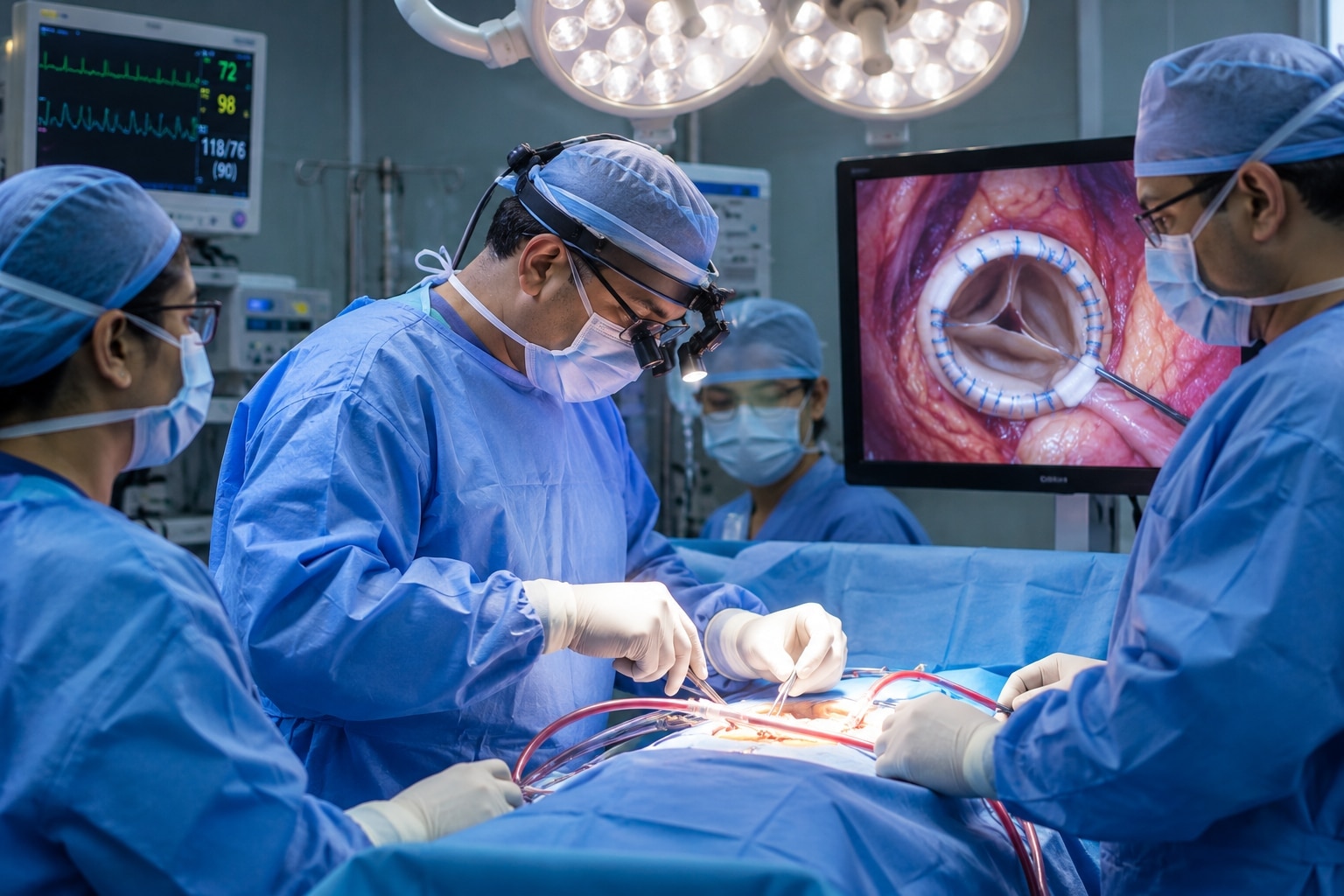
Management may involve clinical monitoring, medication for associated symptoms, management of cardiovascular risk factors, catheter-based intervention, or surgery.
The appropriate path depends on disease severity plus individual suitability.
For older adults, the overall health profile becomes especially relevant. Kidney function, lung health, frailty, previous cardiac procedures, mobility, plus other conditions can influence procedural planning.
Why Timing Matters
Certain structural heart conditions can be monitored safely until specific clinical thresholds are reached.
However, waiting too long after significant symptoms or cardiac changes develop can complicate management.
Regular follow-up therefore matters even when a patient currently feels relatively well.
The purpose of follow-up is to identify meaningful changes in symptoms, valve severity, chamber size, or heart function before they progress unnoticed.
Questions to Discuss During Consultation
Patients with suspected structural heart disease may benefit from asking
- Which structure is affected?
- How severe is the condition?
- Has heart function been affected?
- Do I need treatment now?
- How frequently should imaging be repeated?
- Which symptoms should prompt earlier review?
- What treatment approaches may be considered if the condition progresses?
These questions turn a technical diagnosis into a clearer care plan.
Specialist Evaluation in Kothrud
At Cure Clinic in Kothrud, Dr. Anuja Mulay evaluates cardiac conditions using symptoms, clinical findings, plus relevant investigations before discussing suitable management.
Patients with previous echocardiography reports should bring older studies whenever possible. Comparing previous findings with recent results can help identify progression.
Structural Heart Disease Treatment is highly individualized because structural cardiac problems vary considerably in cause, severity, plus clinical impact. Early recognition, appropriate imaging, regular monitoring, plus timely specialist assessment can help patients understand when observation is sufficient plus when more advanced treatment deserves consideration.
Keywords