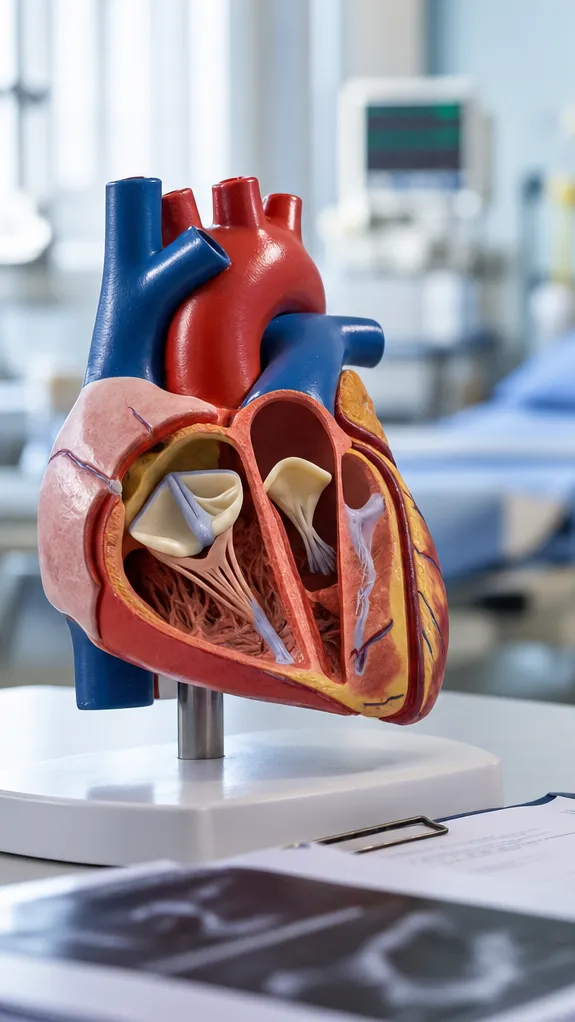
Heart valves open plus close continuously to maintain efficient blood flow. When a valve becomes severely narrowed or develops significant leakage, the heart may need to work harder to maintain circulation. Over time, this can contribute to symptoms plus changes in heart function.
Valve Replacement Surgery may be considered when valve disease reaches a stage where replacing the affected valve is clinically appropriate.
When Does Valve Disease Become Significant?
Not every valve abnormality requires surgery.
Some mild conditions remain stable for years. Patients may simply require periodic clinical review plus echocardiography.
Intervention becomes more relevant when factors such as these appear
- Significant valve narrowing
- Severe valve leakage
- Breathlessness
- Reduced exercise capacity
- Fainting in certain valve conditions
- Changes in heart chamber dimensions
- Declining heart function
- Other important clinical findings
The decision is based on a combination of symptoms plus objective cardiac findings.
Why Symptoms Should Not Be Viewed in Isolation
Patients can adapt gradually to declining exercise capacity.
Someone who once walked comfortably may begin taking shorter routes, avoiding stairs, or resting more frequently without recognizing these changes as cardiac symptoms.
This is why cardiologists often ask about functional capacity rather than simply asking whether a patient feels fine.
A change in everyday activity can provide important information about the impact of valve disease.
How Is the Valve Assessed?
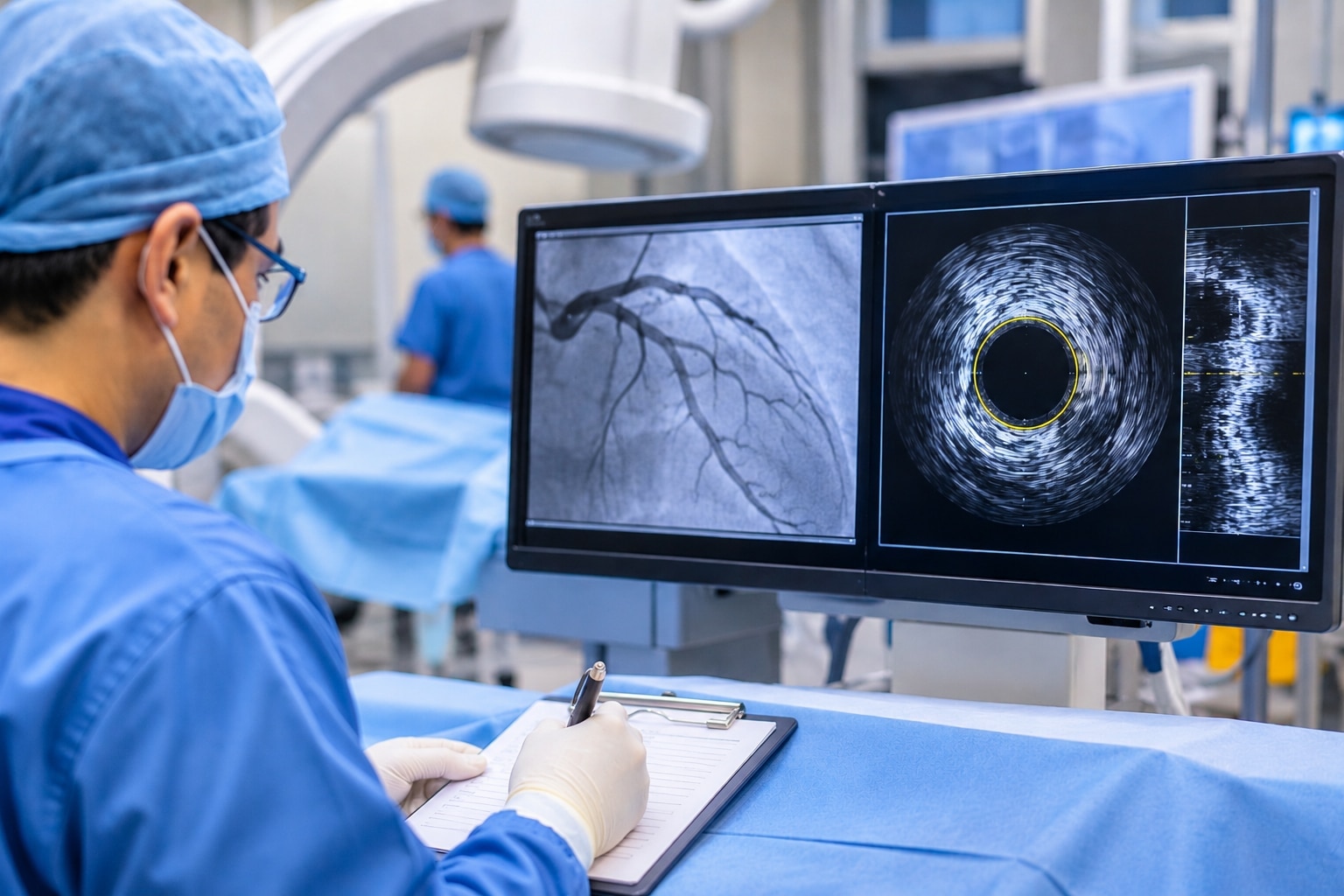
Echocardiography is central to valve evaluation.
It can help determine
- Which valve is affected
- Degree of narrowing or leakage
- Blood-flow characteristics
- Heart chamber dimensions
- Pumping function
- Pressure-related measurements
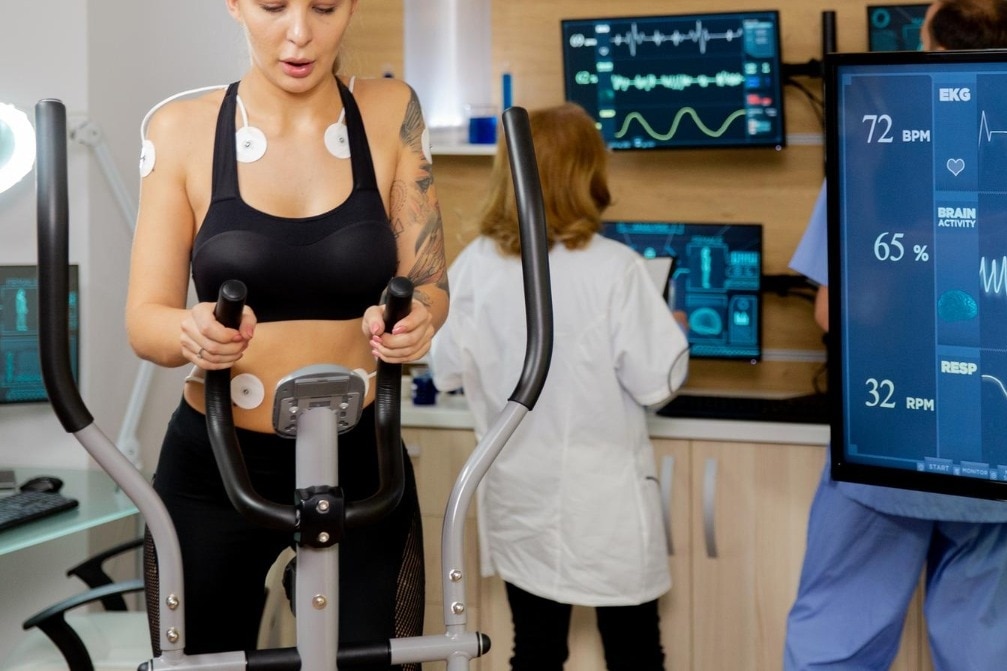
Additional investigations may be required depending on the type of valve disease plus the treatment being considered.
What Does Valve Replacement Involve?
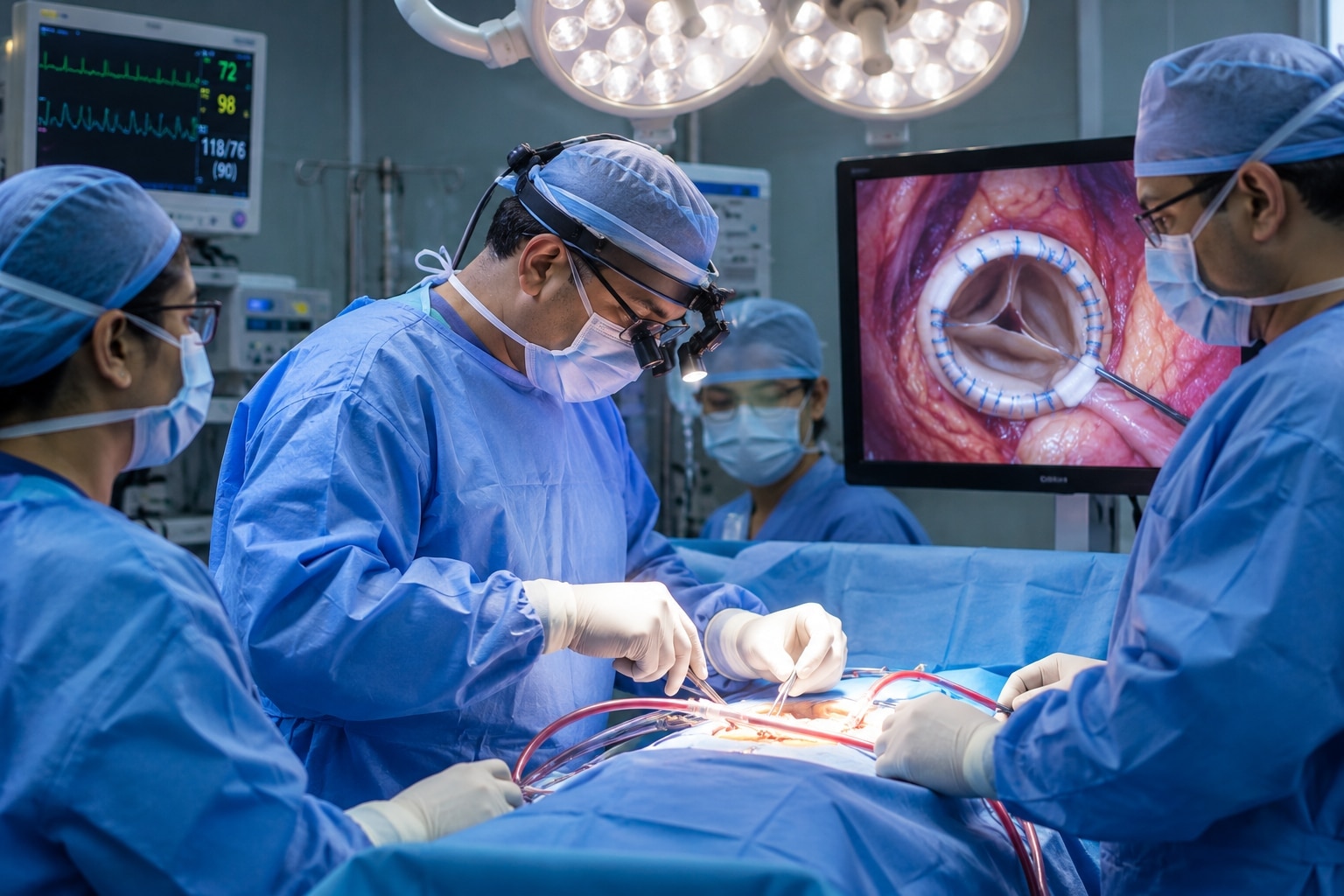
The diseased valve is replaced with a prosthetic valve when replacement is considered the appropriate treatment.
The specific approach depends on the valve involved, patient age, anatomy, medical history, overall surgical risk, plus available treatment options.
Some patients may undergo conventional surgery. Selected valve conditions can also have catheter-based treatment possibilities. Suitability must be assessed individually.
Questions Patients Should Ask
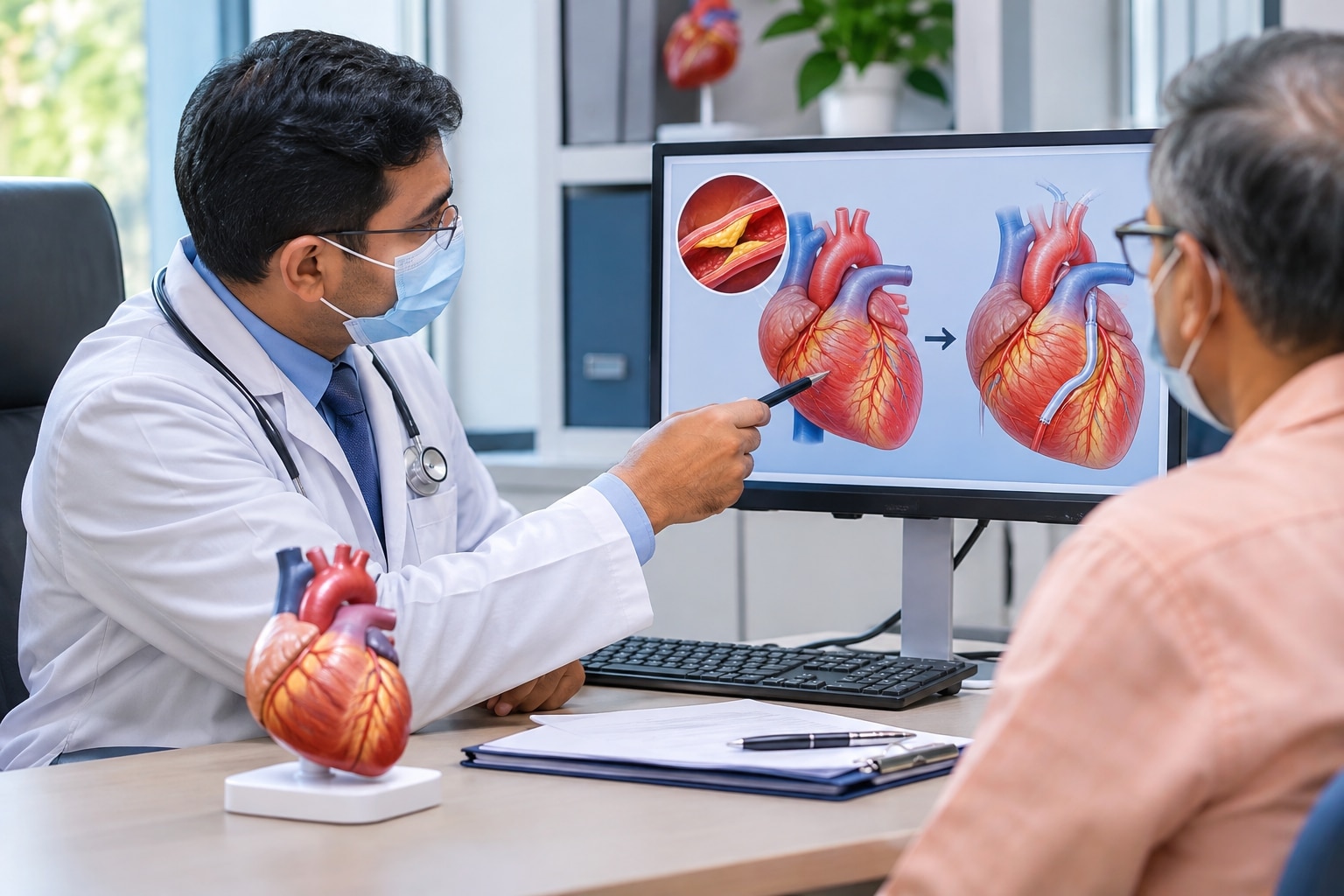
Before making a treatment decision, patients can discuss
- Why is valve replacement being recommended?
- How severe is my valve disease?
- Has my heart function changed?
- What happens if treatment is delayed?
- Which type of procedure suits my condition?
- What type of replacement valve may be considered?
- What follow-up will be required afterward?
Patients should understand both the reason for intervention plus the expected long-term care.
The Importance of Complete Medical Assessment
Valve treatment planning involves more than the echocardiography report.
Age, kidney function, lung health, previous cardiac procedures, coronary artery disease, frailty, medication use, plus other health conditions may influence recommendations.
At Cure Clinic in Kothrud, Dr. Anuja Mulay can assess symptoms plus cardiac investigations to help patients understand the significance of valve disease as well as the next stage of evaluation.
Family members attending with senior citizens may find it useful to bring a complete medication list plus previous reports.
Follow-Up Remains Important
Treatment does not end when a valve procedure is completed.
Patients may require ongoing cardiology review, medication management, imaging, plus monitoring based on the type of valve intervention performed.
Any new breathlessness, swelling, fever, palpitations, fainting, or significant decline in activity after treatment should be discussed with the medical team.
Valve Replacement Surgery is considered when valve disease becomes severe enough to affect cardiac function, symptoms, or future risk. Careful evaluation helps determine both the appropriate timing plus suitable treatment approach for each patient.
Keywords